Top 10 Benefits of Nickel Alloy Castings for Global Buyers?
Nickel Alloy Castings play a crucial role in various industries, especially in high-performance applications. According to a report by MarketsandMarkets, the nickel alloy market is projected to reach USD 30.1 billion by 2026. This growth underlines the increasing demand for materials that can withstand extreme conditions.
The unique properties of Nickel Alloy Castings include excellent corrosion resistance and high-temperature strength. These attributes make them ideal for sectors like aerospace, oil and gas, and chemical processing. A study by Grand View Research indicates that the aerospace market alone accounted for over 30% of global nickel alloy consumption in 2021, highlighting their significance.
However, not all Nickel Alloy Castings are created equal. Buyers must be wary of quality discrepancies between suppliers. Poor-quality castings can lead to failures in critical applications. Hence, it is vital to partner with reputable suppliers who understand the complexities of these materials. Ultimately, the benefits of Nickel Alloy Castings can be substantial, but careful consideration is necessary to ensure reliability and performance.
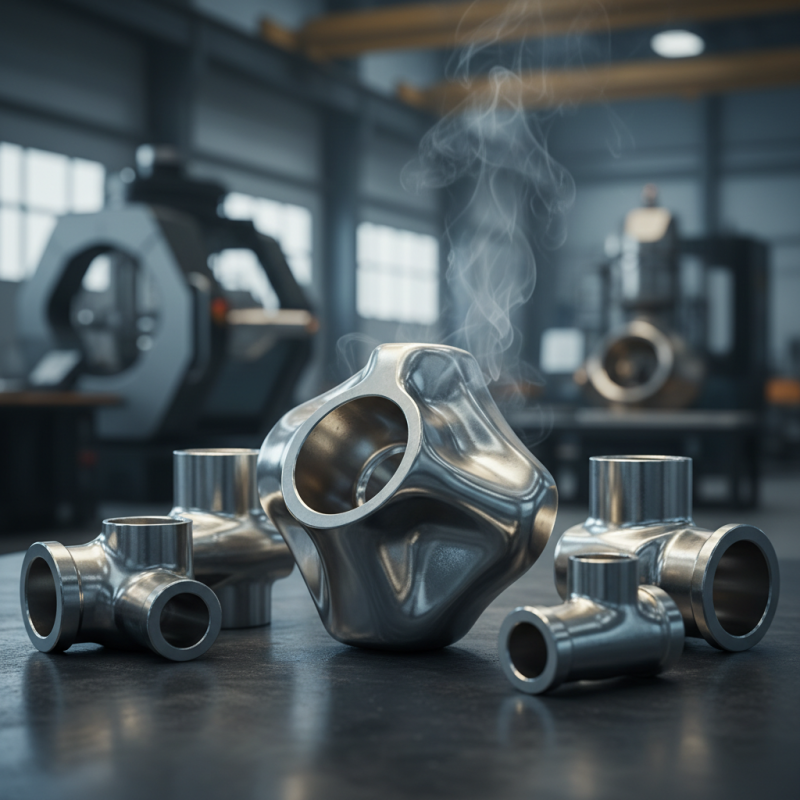
Overview of Nickel Alloy Castings and Their Applications
Nickel alloy castings have become essential in various industries. Their resistance to corrosion and high-temperature stability makes them ideal for challenging environments. They find applications in the aerospace, marine, and chemical processing sectors. These industries require materials that can withstand extreme conditions without compromising integrity. Nickel alloys meet these demands effectively.
In aerospace, nickel alloy castings are used for turbine components. These parts must endure significant heat and stress while maintaining performance. Similarly, in the chemical industry, these alloys resist harsh chemicals and prevent material degradation. This showcases their versatility and reliability in critical applications.
Tips: Always consider the specific environment when selecting nickel alloys. Research the conditions they will face. Testing prototypes can provide insights into performance and long-term durability.
Moreover, not all nickel alloys are the same. Some may perform better in certain applications while struggling in others. Understanding the properties of each type can optimize your choice and enhance overall safety and efficiency in your projects.
Corrosion Resistance: A Key Benefit for Global Buyers
Corrosion resistance is a standout benefit of nickel alloy castings, making them highly valued by global buyers. Industries such as oil and gas, aerospace, and marine heavily rely on materials that withstand harsh environments. According to a recent industry report, nickel alloys have a corrosion resistance rating significantly higher than carbon steels and some stainless steels. This capability is essential in preventing structural damage and failures, which can lead to costly downtime and maintenance.
In environments with salty air or acids, nickel alloys display impressive longevity. Their unique composition allows them to resist pitting, crevice corrosion, and stress corrosion cracking. A specific study indicated that nickel-based alloys can last up to five times longer than traditional materials in aggressive conditions. This makes them a wise investment for industries looking to minimize replacement costs and enhance safety.
**Tips:** Regular maintenance checks can further extend the lifespan of castings. Analyzing the specific conditions in which these materials will be used is crucial. Investing in quality nickel alloy castings can significantly reduce long-term operational costs. Understanding the material’s limitations also contributes to better resource management and efficiency.
High Strength and Durability of Nickel Alloy Castings
Nickel alloy castings are renowned for their high strength and durability. This feature makes them ideal for various demanding applications. With a unique blend of strength and toughness, these alloys perform exceptionally well, even in extreme environments. They resist corrosion, heat, and wear, which prolongs their lifespan. This durability reduces replacement costs over time.
In industries like aerospace and marine, the advantage of using nickel alloys is clear. Components made from these materials withstand intense pressure and hostile conditions. However, sourcing high-quality nickel alloy castings can be challenging. It's essential to evaluate suppliers thoroughly. Understanding the origin and processing techniques impacts the final product's reliability. Buyers need to reflect on their choices carefully. Quality should never be compromised for cost. A reliable supplier ensures that the castings meet stringent standards, benefiting the industry's overall performance.
Top 10 Benefits of Nickel Alloy Castings for Global Buyers
| Benefit | Description | Application Area |
| High Strength | Nickel alloys provide excellent strength-to-weight ratios. | Aerospace, Oil & Gas |
| Corrosion Resistance | Highly resistant to corrosion in harsh environments. | Marine, Chemical Processing |
| Heat Resistance | Maintains stability and strength at high temperatures. | Power Generation, Aerospace |
| Versatility | Can be used in a wide range of applications. | Manufacturing, Medical Devices |
| Weldability | Easy to weld, making fabrication simpler. | Construction, Automotive |
| Reduced Maintenance | Lasting durability reduces the need for repairs. | Manufacturing, Infrastructure |
| Cost-Effectiveness | Long-term savings through durability and reliability. | Various Industries |
| Customizability | Can be tailored to meet specific needs and standards. | Industry Specific Applications |
| Eco-Friendliness | Recyclable materials help reduce environmental impact. | Sustainable Manufacturing |
| Aesthetic Appeal | Can be finished to provide a pleasing visual appearance. | Consumer Products, Design Components |
Cost-Effectiveness: Long-Term Financial Advantages
Nickel alloy castings are gaining attention for their cost-effectiveness. These materials offer durability and high resistance, which can lower replacement rates. The longer lifespan of nickel alloys means less frequent purchases. Over time, this translates to significant savings for manufacturers and buyers alike.
The initial investment may be higher than traditional materials. However, the long-term benefits often outweigh these costs. Reduced maintenance and repair expenses further enhance their appeal. Additionally, their performance in harsh environments minimizes downtime. This reliability leads to improved productivity for companies.
Not every project may require nickel alloys, and careful evaluation is essential. Buyers must assess specific needs and cost-effectiveness tailored to their situations. While they are robust and beneficial, not all applications will see equal returns on investment. Understanding these nuances is crucial for making informed decisions.
Versatile Fabrication: Customization and Design Flexibility
Nickel alloy castings offer significant advantages in terms of customization and design flexibility. Many industries benefit from these materials. They enable manufacturers to create intricate designs that meet specific requirements. This capability is crucial when developing components in aerospace, automotive, and marine applications. The adaptability of nickel alloys allows for innovative solutions that traditional materials may not support.
Customization can occur at various stages. For instance, the melting and casting processes can be tailored to achieve desired properties. Design modifications can be made to enhance performance and durability. This versatility helps companies address unique challenges in their projects. However, not every design will yield optimal performance. Some ideas may fall flat, requiring reassessment and refinement. Feedback loops are essential for improving the designs based on real-world testing.
Despite the benefits, navigating customization can be complex. It involves understanding material properties and processing techniques. Not all customization efforts lead to success on the first attempt. Ensuring a reliable end product requires ongoing evaluation and adjustments. Buyers must partner with experienced professionals to fully leverage these capabilities. The right guidance can make a significant difference in optimizing designs and achieving project goals.