7 Best Plastic Processing Machines for Global Buyers?

Choosing the right plastic processing machine can shape production costs, product quality, and factory reliability for years. Global buyers must look beyond purchase prices and attractive catalogue photographs. A machine may perform well in one plant but struggle with another region’s power supply, climate, materials, or technical support.

This guide examines seven widely used machine types, including injection molding, extrusion, blow molding, thermoforming, and plastic recycling equipment. Each option serves a different production need. An injection molding machine suits repeatable parts, such as caps, housings, and automotive components. An extrusion line continuously produces pipes, sheets, films, or profiles. A thermoforming machine can create packaging trays with practical speed. The right choice depends on resin behavior, output targets, mold design, floor space, and operator skill.

Real purchasing decisions require evidence. Buyers should review cycle-time records, energy consumption, safety features, spare-parts availability, and verified customer references. Certifications matter too, especially when equipment enters regulated markets. Supplier training and response times often become more important after installation. That detail is easy to overlook.

No machine is perfect.

A lower-cost model may reduce initial spending but create higher maintenance demands later. A sophisticated system may improve consistency but require better technicians and software support. These trade-offs deserve honest attention. The following overview compares performance, applications, operating considerations, and buying risks, helping international purchasers evaluate equipment with clearer expectations. It also recognizes an uncomfortable truth: specifications alone cannot predict factory success. On-site trials, material testing, and careful supplier communication remain essential before any final commitment.
7 Best Plastic Processing Machines for Global Buyers?

Types of Plastic Processing Machines and Their Core Functions

7 Best Plastic Processing Machines for Global Buyers

Types of Plastic Processing Machines and Their Core Functions

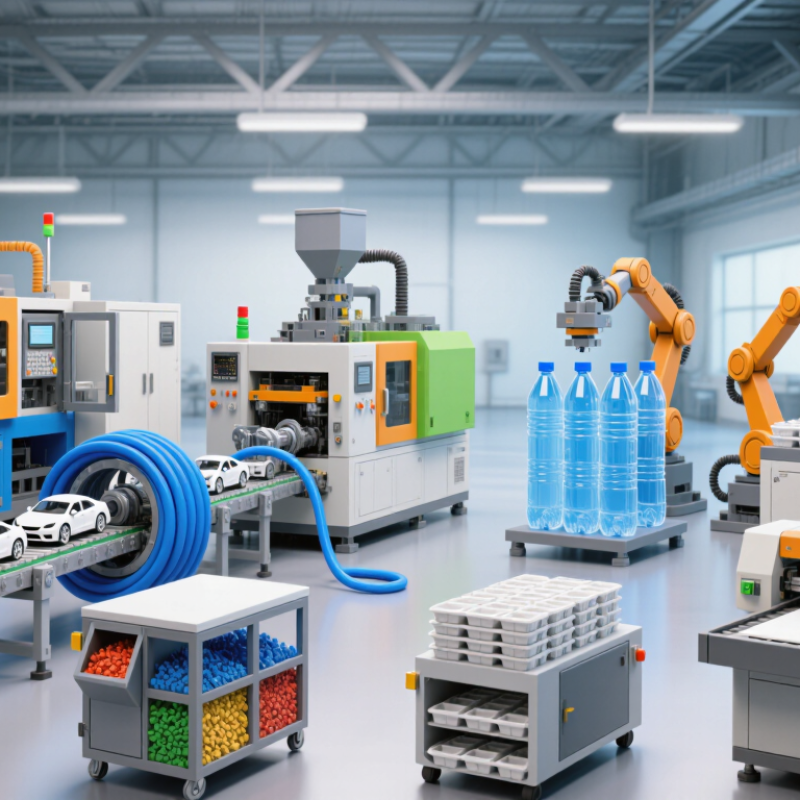
Choosing the best plastic processing machine starts with the product, not the catalogue. Injection molding machines produce precise parts such as caps, housings, and medical components. Extrusion lines continuously form pipes, films, sheets, and profiles. Blow molding machines create hollow bottles and containers. Thermoforming systems heat plastic sheets, then shape them over molds. Rotational molding suits large, lightweight tanks with relatively simple designs. Compression molding applies heat and pressure to form durable parts. Recycling and pelletizing machines clean, melt, filter, and convert plastic waste into usable pellets.

The market scale is substantial. PlasticsEurope reported approximately 400.3 million tonnes of global plastics production in 2022. The OECD Global Plastics Outlook also recorded 353 million tonnes of plastic waste in 2019. These figures increase pressure on efficient production and material recovery. Energy use, cooling capacity, mold-change time, and operator skill can affect real output. A machine may look efficient on paper, yet perform poorly in a humid factory with unstable power. That uncomfortable detail deserves attention.

Tips: Match the machine to resin type, product weight, tolerance, and annual volume. Request tested cycle data, not only advertised speed. Check spare-part access and technician training near the installation site. Pilot trials are wise. My own practical preference is conservative sizing, because an oversized machine can waste energy and capital. Still, every plant has different constraints, and this rule is not absolute.

Seven Leading Plastic Processing Machines for Different Manufacturing Needs

Seven Leading Plastic Processing Machines for Different Manufacturing Needs

Plastic manufacturers choose equipment according to product shape, material behavior, output volume, and production tolerance. Injection molding machines suit precise parts such as housings, caps, and automotive components. Extrusion machines produce continuous profiles, pipes, films, and sheets. They require stable temperature control and consistent material feeding.

Blow molding machines create bottles, tanks, and hollow containers with controlled wall thickness. Thermoforming machines heat plastic sheets and shape trays, panels, and packaging. Rotational molding machines build large, hollow products, including tanks and playground components, with relatively low internal stress. Compression molding machines handle thermosetting materials and reinforced compounds, especially for electrical and industrial parts. Recycling and pelletizing machines process clean plastic waste into reusable granules for selected applications.

Experienced buyers inspect more than advertised output. Check clamping force, screw design, heating zones, cooling capacity, mold compatibility, and access to replacement parts. A noisy hydraulic pump may signal future downtime. Poor ventilation can also affect operators and product quality.

Not every factory needs the fastest machine. A smaller system may offer better control for short runs. Energy use, cleaning time, and operator training deserve equal attention. One practical mistake is choosing equipment before confirming the resin grade and final product tolerance. That decision can create costly rework. Even reliable machines need maintenance records, trial production, and documented safety procedures.

How Each Machine Works: Materials, Processes, and Typical Products

Injection molding melts pellets and forces them into a closed mold. It suits polypropylene, ABS, nylon, and many engineering plastics. Typical products include caps, housings, medical components, and automotive fittings. Cycle control strongly affects consistency.

Extrusion pushes melted plastic through a shaped die. It produces continuous profiles, sheets, pipes, and films from materials such as PE, PVC, and TPE.

Blow molding stretches a hot tube inside a mold. It commonly makes bottles, tanks, and hollow containers from HDPE or PET.

Thermoforming heats plastic sheet, then draws it over a mold using vacuum or pressure. Food trays, packaging shells, and appliance liners are typical products. Thin sheets cool quickly.

Rotational molding heats powdered plastic inside a rotating mold. The material coats the cavity evenly, creating tanks, bins, toys, and kayaks.

Compression molding presses heated material into a mold. It works well with thermosets and fiber-reinforced compounds for electrical parts and durable panels.

Pelletizing machines cut cooled plastic strands into reusable pellets. Output quality depends on clean feedstock, stable temperature, and correct cutter speed.

Tips: Match the machine to the material, wall thickness, output volume, and product tolerance. Check moisture control and ventilation before purchasing. Ask for production samples. A catalog can look convincing, but factory trials reveal weaknesses. Energy use also deserves attention; the cheapest machine may cost more during daily operation. Some assumptions will be wrong until real material testing begins.

Key Buying Factors for Global Buyers: Capacity, Cost, and Compliance

7 Best Plastic Processing Machines for Global Buyers: Capacity, Cost, and Compliance

The seven common choices include injection molding, extrusion, blow molding, thermoforming, rotational molding, compression molding, and recycling lines. Each fits a different production rhythm. PlasticsEurope reported global plastics production at about 400 million tonnes in 2022. That scale makes capacity planning essential, not optional. A 200-ton injection machine may suit small automotive parts, while film extrusion needs stable output across long shifts.

Ask for hourly throughput, mold-change time, reject rates, and proven cycle data. Quoted capacity can look impressive. Real factory performance may differ.

Cost includes more than the purchase price. Compare energy use per kilogram, maintenance access, spare-part lead times, labor needs, and installation requirements. The OECD’s Global Plastics Outlook projects plastic waste could nearly triple by 2060 without stronger action. Therefore, recycling and material-efficiency features deserve serious attention.

A low-cost machine may create expensive waste. I have seen buyers overlook compressed-air demand and transformer upgrades. That mistake can distort the first-year budget.

Tips: Request a sample production trial using your actual resin, mold, and target cycle. Demand test records, electrical diagrams, safety files, and training terms. Check applicable standards, including ISO 12100 and ISO 20430, plus local electrical and environmental rules.

Confirm guarding, emergency stops, noise levels, and documentation before payment. Compliance paperwork is not a final accessory. It should match the delivered machine. Also, leave a realistic contingency budget; factory conditions are rarely perfect.

Comparing Machine Performance, Maintenance, and Supplier Support

For global buyers, the seven strongest plastic processing machines are injection molding, extrusion, blow molding, thermoforming, rotational molding, compounding, and recycling systems. Injection molding delivers repeatable parts at high volume. Extrusion suits pipes, films, and profiles. Blow molding handles hollow containers. Thermoforming is simpler for thin packaging. Rotational molding supports large, durable products. Compounding improves material performance. Recycling lines recover usable feedstock. Plastics Europe reported 413.8 million tonnes of global plastic production in 2023, keeping machine productivity under close scrutiny.

Performance alone can mislead. A fast injection machine may consume more energy or require expensive mold changes. OECD data shows plastic waste reached 353 million tonnes in 2019, while only 9% was recycled. Therefore, recycling systems need stable sorting, washing, and pelletizing performance. Buyers should inspect cycle-time records, scrap rates, motor efficiency, and temperature consistency. Ask for maintenance intervals. Check whether heating elements, sensors, and seals are locally available. Small delays become costly.

Supplier support often decides the real machine value. Reliable suppliers provide installation training, remote diagnostics, spare-parts lists, and documented response times. Request references from factories using similar materials. Test recycled blends before signing. That step is often skipped. It should not be. The best supplier may not offer the lowest quotation. A machine can perform well in a demonstration and disappoint under dust, humidity, or irregular feedstock. Independent acceptance testing remains essential.

7 Best Plastic Processing Machines for Global Buyers

Comparison of machine performance, maintenance requirements, and supplier support

The scores use a 1–10 industry benchmark scale. Performance reflects typical throughput, repeatability, and process flexibility; maintenance reflects service frequency, component complexity, and ease of repair; supplier support reflects the usual availability of spare parts, commissioning, training, and after-sales service in international markets. Higher scores indicate stronger overall suitability for global buyers.