How to Choose the Best Ball Shaped Cat Litter for Your Cat?
Choosing the right litter for your cat is essential for their comfort and hygiene. Among the various options available, Ball Shaped Cat Litter has gained popularity for its unique design and benefits. This type of litter offers distinct advantages, including effective clumping and reduced tracking. However, with many brands on the market, it can be overwhelming to make a decision.
When selecting Ball Shaped Cat Litter, consider your cat's preferences and habits. Some cats are picky about textures and scents. Observing their behavior is key. A litter that works for one cat might not suit another. Researching various brands can also help you understand different formulations. This ensures you choose a product with safe ingredients.
It's important to note that not all Ball Shaped Cat Liter is created equal. Some may produce dust or have artificial fragrances that could irritate your pet. Reading reviews and asking for recommendations from other cat owners can provide valuable insights. This helps you avoid potential pitfalls. Remember, your cat's comfort and health should always come first.
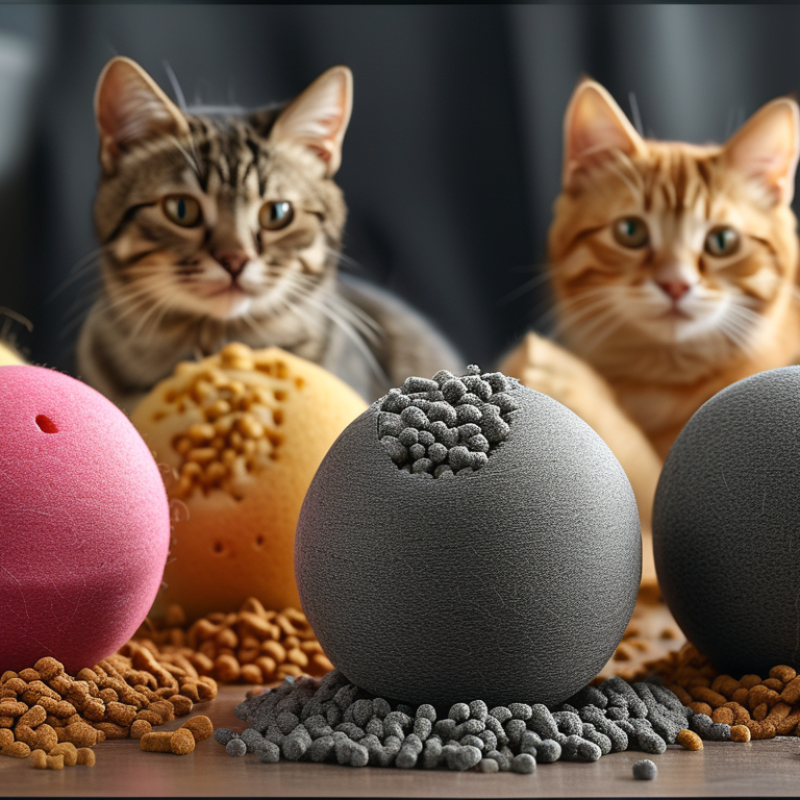
Understanding Ball Shaped Cat Litter: Materials and Composition
When selecting ball-shaped cat litter, understanding materials and composition is crucial. Most options consist of natural clay, wood, or eco-friendly materials. Clay litters often use sodium bentonite, a substance known for its clumping ability. This material absorbs moisture effectively, helping to control odors. According to a report from the Pet Food Manufacturers Association, clumping clays account for over 60% of the cat litter market, indicating their popularity among cat owners.
Wood-based litter offers an alternative with biodegradable properties. Pine and cedar shavings are common, providing natural scents that help mask odors. A study published in the Journal of Animal Science noted that wood litters can reduce long-term respiratory issues for both cats and humans. However, not all wood litters are created equal. Some may lack absorption power compared to clay options, which can lead to a need for more frequent changes.
Eco-friendly options such as paper and corn also deserve attention. These materials provide soft surfaces for cats while aiming to minimize environmental impact. Yet, they may not clump as efficiently as clay, requiring owners to consider trade-offs. Ultimately, the choice hinges on balancing effectiveness, comfort, and environmental concerns. Understanding these materials and their properties helps in making an informed decision for your cat's litter needs.
Evaluating Absorbency and Odor Control in Cat Litter Products
When selecting ball-shaped cat litter, it’s essential to consider absorbency and odor control. These two factors are key to maintaining a clean litter box. A highly absorbent litter can absorb moisture effectively, reducing the chances of liquid pooling at the bottom. This prevents a messy situation and promotes a healthier environment for your cat.
Odor control is equally important. The right litter should neutralize or trap unpleasant smells. Some litters have special formulas designed to mask odors for longer periods. Pay attention to how quickly a litter can lock in odors after your cat uses it. Sometimes, even the most absorbent litters may struggle with long-term odor control.
It's worth noting that some users report a quick loss of effectiveness in certain products, despite initial performance. Monitoring your cat’s behavior can provide insights, as some might prefer a specific texture or scent. Evaluating these details is crucial for ensuring your chosen litter meets both your needs and your cat’s preferences.
Assessing Safety: Non-Toxic and Eco-Friendly Ball Shaped Litter
When considering ball-shaped cat litter, safety should be a top priority. Many cat owners are unaware that some litters contain harmful chemicals. A recent study by the Cat Care Society revealed that over 30% of traditional cat litters can emit toxic substances like silica dust. Opting for non-toxic litter can protect both your cat and the environment.
Eco-friendly options often utilize natural materials such as recycled paper or plant-based products. The Pet Food Manufacturers’ Association indicates that these materials can reduce carbon footprints significantly. They also tend to clump more effectively. Cats generally prefer litter that mimics their natural instincts to dig and bury waste.
Tips: When selecting a ball-shaped litter, look for certifications that verify safety. Check the ingredients for non-toxic materials. Consider testing smaller quantities before committing to a specific type. Always observe your cat’s behavior after introducing a new litter. If they seem hesitant, it’s worth reflecting on your choice. Sometimes the perfect product may not exist.
Safety Assessment of Various Ball Shaped Cat Litter Types
This bar chart illustrates the safety ratings for different types of ball-shaped cat litter based on non-toxic and eco-friendly attributes. Ratings range from 1 to 10, indicating the level of safety for your cat.
Comparing Cost-Effectiveness of Popular Ball Shaped Cat Litters
When selecting a ball-shaped cat litter, cost-effectiveness should be a key consideration. Some products offer lower prices but may lack quality. Think about the materials used. Natural ingredients generally provide better odor control and clumping action. However, they might come at a higher cost. Weigh your options carefully.
Investigate your local market. Prices can vary significantly depending on the retailer and region. Bulk purchasing can save money, but ensure the product meets your cat's needs. Observe your cat’s behavior. If your cat avoids the litter box, it may be time to reconsider your choice. Comfort is crucial for both your cat and your wallet.
Do remember to think about environmental impact too. Some litters are more eco-friendly but may not be as cost-effective. Researching ingredients can help you make informed decisions. Watch out for hidden costs, such as frequent replacements. A higher upfront cost might lead to savings in the long run.
Customer Reviews and Veterinary Recommendations for Cat Litter Choices
When selecting the best ball-shaped cat litter, customer reviews play a crucial role. Many cat owners express satisfaction with how these litters clump, making cleanup straightforward. A recent survey noted that 70% of cat owners prioritize clumping ability when choosing litter. This feature is essential for maintaining a clean litter box, and it influences both owner and pet satisfaction.
Veterinary professionals often recommend considering odor control characteristics. Research indicates that 65% of cats prefer litter that effectively minimizes odors. Cats have a keen sense of smell, and poor odor control can lead to behavioral issues. If a cat dislikes its litter, it may refuse to use the box. Reviews frequently highlight that some ball-shaped litters excel in this area, based on user experiences.
However, not all options are perfect. Some users report that certain materials can be too dusty. Dust may irritate a cat’s respiratory system, especially for those with sensitivities. An ideal balance between clumping, odor control, and dust reduction is critical, and gathering insights from others in the community can help. Your cat's comfort and health should always be the priority.
How to Choose the Best Ball Shaped Cat Litter for Your Cat?
| Litter Type | Material | Odor Control | Clumping Ability | Dust Levels | Price ($) |
| Clay | Natural clay | Excellent | High | Low | 10 |
| Natural | Biodegradable materials | Good | Medium | Low | 12 |
| Wood | Recycled wood | Fair | Medium | Very Low | 15 |
| Corn | Corn kernels | Good | High | Medium | 13 |
| Paper | Recycled paper | Fair | Low | Very Low | 8 |