How to Choose the Best Bridge Crane for Your Business Needs?
Choosing the right bridge crane is crucial for any business that relies on heavy lifting. In recent industry reports, it has been noted that the global bridge crane market is expected to reach $10 billion by 2025. This growth highlights the importance of selecting the right equipment to meet operational demands.
Understanding your specific needs is vital. Factors such as load capacity, span, and lifting height can greatly influence your decision. A bridge crane’s design can affect safety and efficiency in your operations. Recent studies show that businesses that invest in tailored equipment experience up to 30% better productivity.
However, the selection process can be challenging. Companies often overlook critical details, leading to potential inefficiencies. It's important to evaluate all options and consult experts. By taking a comprehensive approach, businesses can choose the best bridge crane fit for their unique requirements. This decision can ultimately impact safety and profitability.
Understanding Different Types of Bridge Cranes Available in the Market
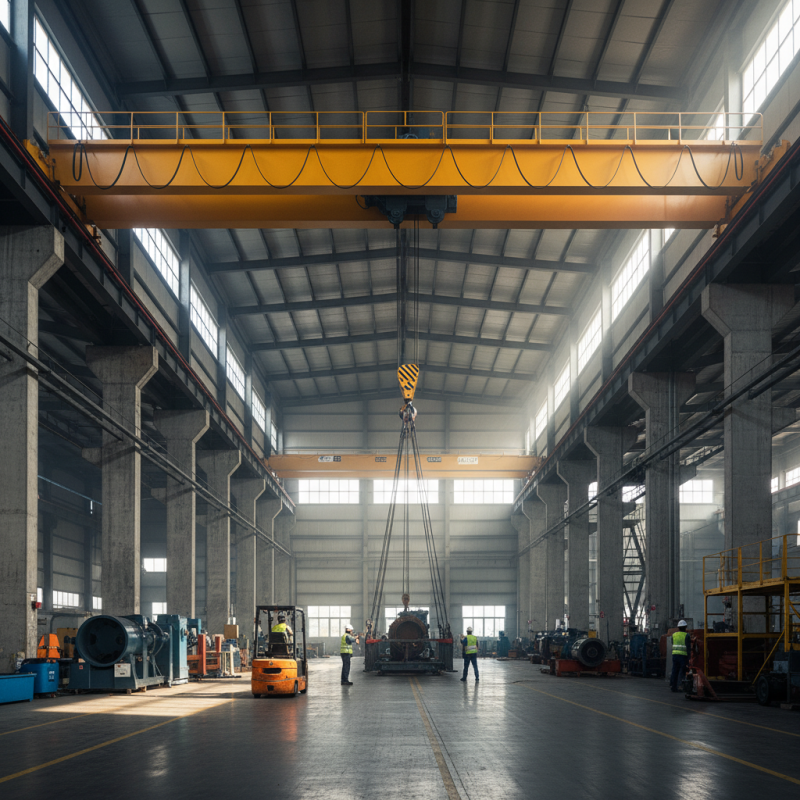
When selecting a bridge crane, it is essential to understand the various types available. The two main categories include overhead and gantry cranes. Overhead cranes are mounted on rails and provide excellent movement over a large area. They can lift heavy loads and are ideal for factories and warehouses. Gantry cranes, on the other hand, are portable and can be moved around as needed. This flexibility is useful in construction sites or temporary setups.
There are also different configurations to consider. For instance, single girder cranes are lighter and more economical. They are suitable for smaller loads and spaces. However, for heavier and more demanding tasks, double girder cranes are more appropriate. They can handle greater capacities and offer enhanced stability. Understanding these differences is crucial for making an informed choice.
Assessing your specific requirements is necessary too. Think about the weight capacity, span, and lift height you need. These factors will impact your crane's performance and efficiency. Some businesses may find that their initial choice does not meet their evolving needs. Regularly reviewing these requirements can lead to better operational efficiency. Choosing the wrong crane can result in downtime and increased costs. Careful evaluation is key to finding the right fit.
Assessing Your Business Needs for Effective Crane Selection
When selecting a bridge crane for your business, understanding your specific needs is crucial. Assessing your operational requirements can help narrow down the options available. Factors like load capacity, span length, and lifting height all play significant roles. Take time to evaluate the types of materials you'll be lifting and their weights.
Tips for effective assessment:
1. Observe your current operations. Identify any inefficiencies or safety issues.
2. Consult with your team. They know the day-to-day challenges better than anyone.
3. Consider future growth. Will your needs change in the next few years?
Another element often overlooked is the working environment. Consider space constraints and overhead obstacles. Poor planning here can lead to serious operational challenges. If possible, create a mock-up of the crane's layout. Visualizing the setup can reveal potential problems early on.
Additionally, grounding your decision in reliable data is essential. Review industry insights and seek advice from experts. Remember that every business is unique. What works for one might not work for another. Take a thoughtful, reflective approach as you make this important choice.
How to Choose the Best Bridge Crane for Your Business Needs?
| Crane Type | Load Capacity (tons) | Span (feet) | Lift Height (feet) | Power Source | Key Features |
| single girder bridge crane | 5 | 20 | 15 | Electric | Compact design, suitable for small spaces |
| Double Girder Bridge Crane | 10 | 30 | 20 | Electric | Higher lifting capacity, better stability |
| Overhead Crane | 15 | 40 | 25 | Gas | Versatile, can handle heavy loads |
| Jib Crane | 2 | 15 | 10 | Electric | Ideal for repetitive tasks in confined areas |
| Articulating Crane | 3 | 10 | 8 | Battery-operated | Flexible reach, suitable for tight spaces |
Evaluating Load Capacity and Reach Requirements for Your Operation
When selecting a bridge crane, load capacity is a critical factor. Each operation has different weight requirements. Consider the heaviest loads you will lift. This helps in determining the desired capacity. If you underestimate this, you may face operational risks. Inspect your current equipment for its limitations. Are you regularly pushing its maximum limits? A crane that lacks capacity can lead to breakdowns and inefficiencies.
Reach requirements are equally important. The distance your crane needs to cover plays a significant role in its effectiveness. Measure the areas where lifting occurs. Are you working in a tight space or a large warehouse? A crane with too little reach can hinder productivity. Conversely, an oversized crane may be impractical and costly. Analyzing your workspace is essential in finding the right fit. A mismatch between reach and capacity can lead to frustration and safety concerns.
Considering Safety Features and Compliance Guidelines for Bridge Cranes
When selecting a bridge crane, prioritizing safety is crucial. Understand the safety features that come standard with different models. Many cranes include overload protection systems. These systems prevent lifting beyond the crane's capacity. Also, consider emergency stop buttons. They can save lives during unexpected situations.
Compliance with safety regulations is non-negotiable. Familiarize yourself with local and international guidelines. The Occupational Safety and Health Administration (OSHA) outlines safety practices to adhere to. Moreover, check for certifications from recognized organizations. Such certifications show a commitment to safety and quality.
It’s essential to regularly review and update safety protocols. Employees should receive training, particularly on potential hazards. Periodic inspections can identify areas needing improvement. A proactive approach ensures a safer working environment. It also keeps your operation compliant, reducing liability risks. Always seek feedback from operators. Insights from the ground can highlight overlooked safety concerns.
Budgeting and Maintenance Considerations for Long-Term Crane Investment
When investing in a bridge crane, budgeting and maintenance are crucial factors. According to a 2022 industry report, nearly 30% of crane users underestimated long-term maintenance costs. This oversight can lead to expensive repairs and downtime. Regular inspections and maintenance can extend the crane's lifespan significantly. The International Organization for Standardization recommends scheduled maintenance every six to twelve months, based on usage levels.
Budgeting should factor in initial costs along with ongoing expenses. About 25% of crane users reported spending less than 10% of their budget on maintenance. This often results in increased operational costs later. A proactive approach can save businesses up to 15% annually on repairs. Investing in quality parts and training personnel is essential. Ignoring these elements can lead to failure, impacting productivity.
Contemplating the total cost of ownership is vital. For example, a crane's operational cost can be five times its purchase price over its lifetime. This realization should prompt businesses to invest wisely. While budget constraints are real, skimping on maintenance or quality can lead to bigger problems later. Doing thorough research and consulting experts can prevent future regrets.