2026 How to Choose the Best Plastic Compound for Your Needs?
Choosing the right plastic compound can be challenging. The market offers numerous options, each with unique properties. These properties influence durability, flexibility, and cost. Understanding your specific needs is critical to making the best choice.
Different applications require different characteristics. For instance, food packaging demands safety and compliance, while automotive parts need strength and heat resistance. Evaluating these requirements will streamline your decision-making process.
Expert insights reveal that not all compounds perform equally in every scenario. Testing small samples can show how a particular plastic compound behaves under real conditions. Remember, the best choice isn't always the most expensive one. Sometimes, a more affordable option may meet your needs effectively.
Understanding the Different Types of Plastic Compounds Available
When selecting the perfect plastic compound, understanding types is vital. Plastics come in many forms, each with unique properties. Polyethylene offers flexibility and resilience. It’s commonly used in packaging. For more rigid applications, polycarbonate provides strength and impact resistance. These properties make it ideal for safety goggles and electronics.
Another option is nylon, known for its durability. Nylon is often used in textiles and automotive parts. It withstands wear and tear, but it can absorb moisture. This characteristic may affect its performance in certain conditions. Consider the environment where the material will be used.
Thermoplastics and thermosets present different challenges. Thermoplastics can be reshaped with heat, while thermosets harden permanently. This difference can influence your project’s longevity. A thorough assessment of requirements is crucial. Reflect on how the plastic will perform over time. Ideal selection often requires balancing properties with practical applications.
Evaluating the Physical and Chemical Properties of Plastics
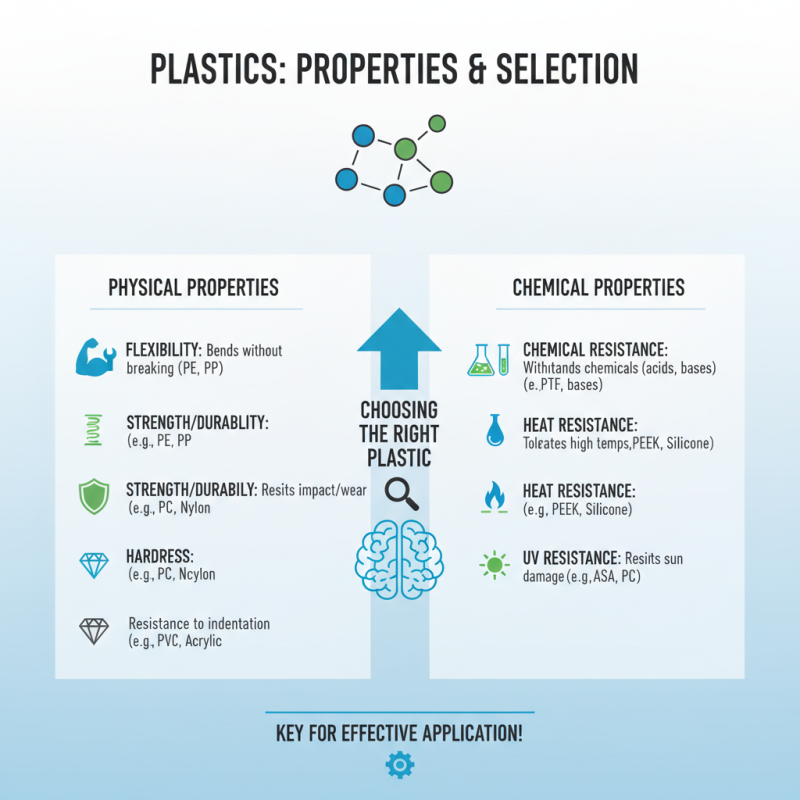
Choosing the right plastic compound involves a keen understanding of physical and chemical properties. Many plastics exhibit varying characteristics depending on their composition. For example, some are more flexible, while others offer superior strength. Understanding these traits is crucial for effective application.
When evaluating plastics, consider factors like tensile strength, thermal resistance, and chemical stability. These properties dictate how well a material will perform under specific conditions. It's not always easy to predict how a plastic will behave, which can lead to unforeseen issues. Testing materials in real-world scenarios is advisable to mitigate risks.
Additionally, the environmental impact of plastic compounds cannot be overlooked. Some plastics may deteriorate more rapidly, while others resist degradation. This can affect long-term performance in applications like packaging or construction. Balancing performance with ecological considerations is essential for making responsible choices.
Assessing the Applications and Suitability of Plastic Compounds
When evaluating plastic compounds for various applications, it is essential to consider specific properties. Factors such as heat resistance, flexibility, and strength play crucial roles. According to recent industry reports, over 60% of manufacturers prioritize durability when selecting a plastic compound. This decision directly impacts product lifespan and performance.
Different applications require varying characteristics. For example, in automotive manufacturing, lightweight materials that can resist high temperatures are crucial. Data shows that materials like polycarbonate can withstand temperatures up to 130°C. In contrast, packaging industries often favor materials with high flexibility and low density. Finding the right compound may involve trial and error, particularly for newer applications.
Despite extensive research, challenges remain in sourcing the ideal material. Environmental factors also add complexity. For instance, biodegradable options may not provide the same strength as traditional plastics. Adapting to these differences can drive innovation but may require reevaluation of existing practices. As industries evolve, manufacturers must stay informed about the latest advancements and trends. The future of plastic compounds depends on our ability to adapt to changing demands and environmental considerations.
Consideration of Cost, Availability, and Environmental Impact
When selecting a plastic compound, it's crucial to consider cost, availability, and environmental impact. These factors affect not only your project’s budget but also your brand’s reputation. Many companies overlook the importance of sourcing sustainable materials. This oversight can lead to increased costs and negative environmental consequences in the long run.
Cost plays a vital role. However, the cheapest material may not always be the best choice. Look for a balance between quality and price. Low-cost materials may require more maintenance or frequent replacements. This can add hidden expenses over time. Also, consider the availability of materials. Sometimes, the most cost-effective options are not readily available. Delays can disrupt project timelines and lead to additional costs.
Tips: When evaluating environmental impact, research the recyclability and biodegradability of the materials. This knowledge helps you make informed decisions. Stay updated on regulations that affect plastic use in your industry. Choosing eco-friendly options is often seen as an investment. However, it may require upfront cost adjustments. Reflect on whether your choices align with your values.
2026 Best Plastic Compounds: Cost, Availability, and Environmental Impact
Consulting Industry Standards and Regulations for Plastic Selection
Choosing the right plastic compound is crucial for any project. Industry standards and regulations play a vital role in this decision-making process. Different applications, from automotive parts to medical devices, require specific materials that comply with these guidelines. For instance, food packaging materials must meet stringent safety regulations to ensure consumer safety.
Understanding certifications is essential. Various organizations establish standards that plastic materials must adhere to. For example, ASTM and ISO provide guidelines that ensure quality and safety. However, not all manufacturers comply. This inconsistency can lead to potential risks. It’s important to conduct thorough research and understand the certifications relevant to your intended use.
Navigating these standards can be complex. Not every compound will meet your project's needs or regulatory requirements. Consulting experts in the field can be beneficial. They can guide you in understanding which materials are suitable and compliant. Reflecting on your choices is vital. A misstep in material selection may lead to significant issues down the line, affecting both safety and functionality.