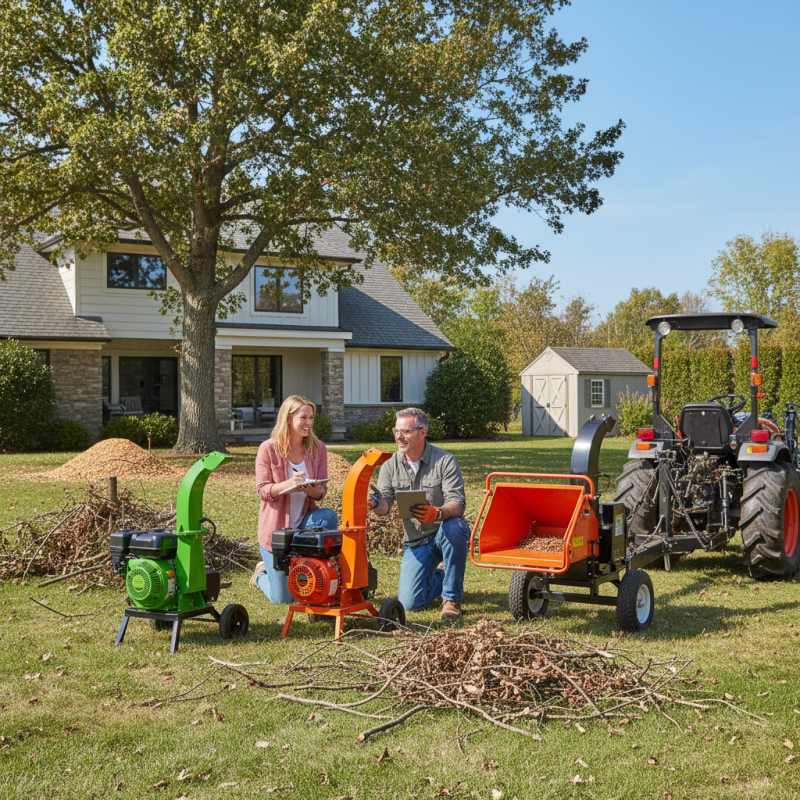
How to Choose the Best Wood Chipper Machines for Your Needs?
Choosing the right wood chipper machine can be confusing. Numerous products exist, each with unique features. Understanding your needs is crucial for making an informed decision.
Wood Chipper Machines vary widely in design and functionality. Some are ideal for small yards, while others tackle larger projects. Consider what type of materials you will process. Softwood, hardwood, and leaves each require different capabilities.
Listening to user experiences helps gauge performance. Look for brands with positive reviews and solid reputations. Don’t overlook the importance of warranty and customer support. Investing in a reliable wood chipper can save you time and effort in the long run. Select wisely, as it reflects on your project's success.
Understanding Different Types of Wood Chippers: A Comprehensive Guide
When selecting the right wood chipper, it's crucial to understand the various types available. There are generally two main categories: portable and stationary models. Portable chippers are ideal for light to medium tasks. They can be moved easily and are great for homeowners. Conversely, stationary chippers are designed for heavier workloads. They are more powerful and efficient for commercial use.
Tips: Assess your needs first. Determine how much wood you'll chip. If it's occasional yard work, a smaller chipper suffices. For regular, intensive use, invest in a more robust model.
Another important factor is engine power. Gas-powered chippers offer greater mobility and power. Electric chippers are quieter and require less maintenance. However, they may struggle with larger branches. Know the capacity of the chipper. Look for specifications that match the size of the branches you'll be processing.
Tips: Check safety features. A good chipper should have automatic shut-off and safety guards. These prevent accidents and ensure safe operation during use.
Key Factors to Consider When Choosing a Wood Chipper Machine
When it comes to selecting the right wood chipper, multiple factors come into play. First, consider the machine's power source. Electric chipper models are quieter and eco-friendly, while gas-powered versions provide more power for larger jobs. Your specific needs will dictate which option is most suitable. Evaluate the size of your yard or garden and the volume of debris you typically handle.
Next, look at the chipper's capacity. This refers to the types of materials it can process. A chipper with a wider feed opening allows for larger branches. However, it may be heavier and harder to maneuver. Pay attention to the weight and portability of the machine. Some users find that lighter machines are easier to transport, but they may sacrifice power. Finding the right balance is essential.
Finally, check the safety features and warranty offered by the manufacturer. Some machines include automatic shut-off features and protective shields. These features add to the overall reliability of the device. Understanding your specific needs and limitations will guide you in making an informed decision. It’s important to reflect on what will truly meet your requirements, rather than opting for the flashiest model available.
Evaluating Power Sources: Gas, Electric, or Battery-Powered Chippers
When choosing a wood chipper machine, the power source significantly impacts performance. Gas-powered chippers are often preferred for their robust capabilities. They excel in handling larger branches and tougher materials. However, they can be heavier and noisier, creating potential challenges in residential areas.
Electric chippers, on the other hand, are more suitable for light-duty tasks. They are generally quieter and easier to handle. These machines are ideal for smaller yards with limited debris. It’s essential to consider extension cord limitations and available outlets. Battery-powered chippers are increasingly popular for their portability. They offer freedom from cords and require less maintenance. Yet, their runtime might not meet the needs of larger projects.
Reflecting on power sources uncovers trade-offs in power, convenience, and environmental impact. Gas chippers provide raw power, while electric and battery options focus on ease and quiet use. Balancing personal needs with these characteristics is crucial to making the right choice. Ultimately, understanding these subtle differences can lead to a more satisfying wood chipper experience.
Assessing Chipping Capacity: What Size and Type of Wood Can You Process?
When selecting a wood chipper, assessing chipping capacity is crucial. The size and type of wood you can process directly affect your efficiency. Larger branches require power, while thinner twigs are easier to manage. Determine the maximum diameter your chipper can handle before making a purchase.
Different types of wood can also impact performance. Softwoods like pine chip quickly. Hardwoods like oak may need more effort. By understanding the material you’ll be working with, you ensure that your equipment can keep up. A chipper that cannot handle the wood size will result in frustration and wasted time.
Consider the feed mechanism as well. Some machines use manual feeding, while others offer automatic features. Each method has pros and cons. Manual feeding allows you to control the process but can slow you down. Automatic feeding saves time but may require you to invest in a more expensive model. Evaluate your needs carefully to choose the right approach.
How to Choose the Best Wood Chipper Machines for Your Needs? - Assessing Chipping Capacity: What Size and Type of Wood Can You Process?
| Wood Chipper Type | Engine Power (HP) | Max Chipping Diameter (inches) | Chipping Capacity (lbs/hr) | Type of Wood Processed |
| Electric Chipper | 3-5 HP | 2 | 200 | Softwood and Small Branches |
| Gas-Powered Chipper | 5-10 HP | 4 | 600 | Softwood and Hardwood |
| Commercial Chipper | 15-25 HP | 8 | 1200 | Large Branches and Logs |
| Heavy-Duty Chipper | 25+ HP | 12 | 2000 | Hardwood and Thick Logs |
Maintenance and Safety Features in Wood Chipper Machines: Best Practices
When selecting a wood chipper, maintenance and safety features are crucial aspects to consider. A recent industry report indicates that improper maintenance can lead to a 25% increase in machine failures. Regularly inspecting blades and belts ensures efficiency and longevity. Dust and debris can accumulate quickly, affecting performance. Keep your chipper clean to avoid this issue.
In addition, safety features are paramount. Many wood chipper accidents result from inadequate safety guards or operator training. Look for machines with automatic feed systems and emergency shut-off functions. These features reduce the risk of injuries significantly, as they allow for hands-free operation. Studies show that machines with advanced safety measures lower incident rates by up to 30%.
Tip: Always read the user manual. It contains vital information on safety protocols and maintenance schedules. Invest in personal protective equipment, such as gloves and goggles, to enhance your safety while operating. Remember, neglecting maintenance can lead to serious risks, not only to the machine but also to the operator. Be proactive in ensuring your equipment remains safe and efficient.