How to Choose the Right Plastic Filler Masterbatch for Your Needs?
Choosing the right plastic filler masterbatch is crucial in today's plastic manufacturing landscape. According to industry reports, the global plastic filler masterbatch market is expected to reach $5 billion by 2025. This growth highlights the increasing demand for efficient and versatile filler solutions. Selecting the appropriate masterbatch can significantly impact product quality, processing efficiency, and overall costs.
The right plastic filler masterbatch can enhance the properties of base resins. It can affect strength, durability, and appearance. Incorrect choices may lead to performance issues. Additionally, fillers can influence color consistency and processing temperatures. Some fillers perform well in specific applications, while others may not deliver desired results.
Investing time in understanding your specific needs is essential. Analyzing factors like the type of polymer used and the intended application can guide this decision. Consulting with suppliers and examining data sheets can provide insights. However, manufacturers often encounter challenges in selecting the optimal option due to the diverse range of products available. This process can be overwhelming but is critical for achieving desired outcomes in production.
Understanding the Composition and Functionality of Plastic Filler Masterbatches
When selecting a plastic filler masterbatch, understanding its composition is crucial.
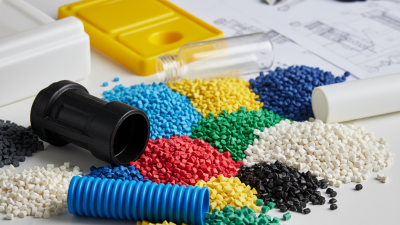
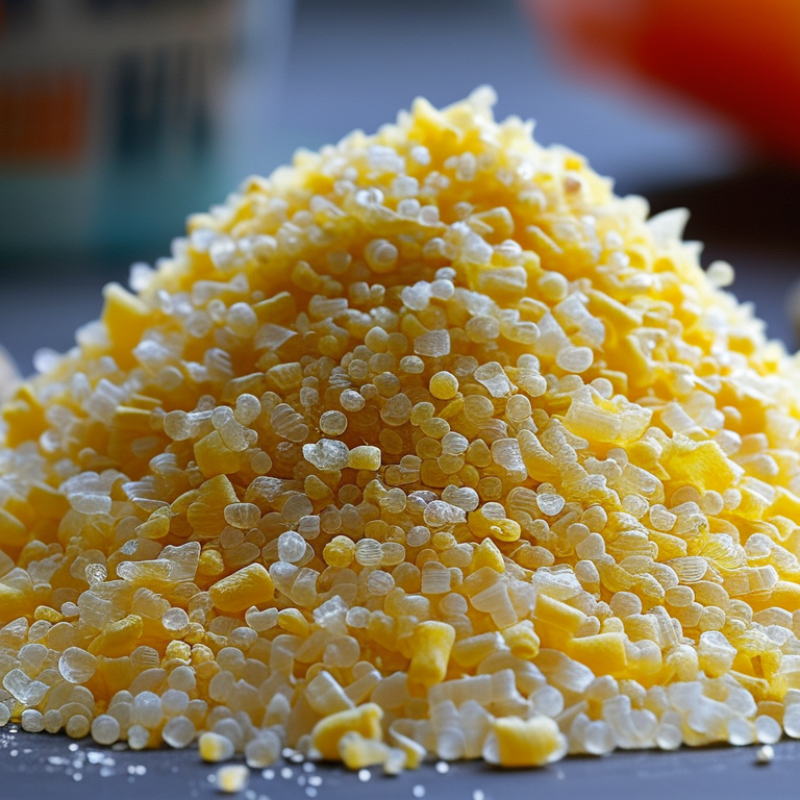
Masterbatches are concentrated mixtures of additives embedded within a polymer resin. They enhance properties like
strength, durability, and appearance.
Common fillers include calcium carbonate,
talc, and clay. Each filler serves distinct functions, such as
improving stiffness or reducing production costs.
The functionality of these masterbatches goes beyond simple reinforcement. They can influence flow characteristics
during processing and affect the final product's performance. For example, some fillers can increase thermal stability.
However, not every filler is suitable for every application. A mismatch can lead to undesirable results like brittleness or instability.
Choosing the right filler requires balancing cost, functionality, and compatibility
with the base resin. Testing prototypes with different masterbatches may be necessary. This process takes time and resources.
Yet, it ensures that the final product meets performance expectations. Ignoring this step can result in costly failures down
the line. Remember, informed choices lead to better results.
Evaluating Performance Metrics: Strength, Flexibility, and Impact Resistance
When choosing a plastic filler masterbatch, evaluating performance metrics is crucial. Key metrics include strength, flexibility, and impact resistance. These traits significantly influence the end product's usability and durability.
Strength is a primary consideration. It determines how well the material withstands stress. If your application requires heavy loads, prioritize a masterbatch with higher tensile strength. For lighter applications, a lower strength might suffice. Be aware that increasing strength can sometimes reduce flexibility.
Flexibility is equally important and often overlooked. A more flexible plastic can absorb shocks better. Assess the flexibility based on your product requirements. Sometimes, achieving a balance between strength and flexibility involves trial and error.
Impact resistance is the capacity to withstand sudden forces. This property is essential for products exposed to harsh conditions. Without adequate impact resistance, materials may crack or shatter, leading to performance failure. Testing different formulations can help find the right balance.
Tips: Always seek samples for testing before making a bulk purchase. It's a best practice to evaluate various configurations. Engaging with manufacturers about their materials can lead to better insights on performance attributes. Your specific needs should guide your final choice.
Assessing the Compatibility of Masterbatches with Various Polymer Types
Choosing the right plastic filler masterbatch requires an understanding of compatibility with various polymer types. Different polymers have unique properties and behaviors. For instance, polyethylene (PE) adheres differently than polypropylene (PP). The compatibility impacts the overall performance of the end product. According to industry reports, nearly 30% of polymer failures are due to improper masterbatch matching.
When considering compatibility, assess the polymer’s thermal stability and processing temperature. A mismatch can lead to degradation. For example, certain fillers may emit gases that can contaminate PE, affecting the final quality. It's essential to conduct compatibility tests prior to large-scale application. Industry studies indicate that thorough testing can reduce material waste by up to 40%.
Tips: Always consult technical data sheets for masterbatches. Look for information on gel time and melt flow index, as these factors influence processing ease and product quality. Collaborative discussions with suppliers can provide valuable insights into specific applications. Remember to evaluate how your selected masterbatch interacts over time, as aging can reveal hidden incompatibilities.
How to Choose the Right Plastic Filler Masterbatch for Your Needs? - Assessing the Compatibility of Masterbatches with Various Polymer Types
| Polymer Type |
Recommended Filler Masterbatch |
Filler Type |
Compatibility Rating |
Notes |
| Polyethylene (PE) |
Calcium Carbonate Masterbatch |
Calcium Carbonate |
High |
Widely used for cost efficiency |
| Polypropylene (PP) |
Talc Masterbatch |
Talc |
High |
Improves stiffness and processability |
| Polystyrene (PS) |
Gypsum Masterbatch |
Gypsum |
Moderate |
Can impact clarity |
| Polyvinyl Chloride (PVC) |
Wood Flour Masterbatch |
Wood Flour |
High |
Biodegradable alternative |
| Acrylic (PMMA) |
Silica Masterbatch |
Silica |
Low |
Risk of cloudiness |
Analyzing Environmental Stability and UV Resistance in Plastic Fillers
When selecting plastic fillers, environmental stability is crucial. Fillers can significantly affect the durability of your product. Sudden exposure to elements can lead to degradation, affecting quality. Consider testing the filler under various environmental conditions. Understand how it reacts to moisture, temperature changes, and UV exposure.
UV resistance is another key factor in plastic fillers. Ultraviolet rays can cause discoloration and brittleness. It is essential to ensure the filler can withstand prolonged sun exposure. Some fillers may need additives to enhance their UV stability. Analyzing these aspects can help in making informed decisions about the right filler for your project.
Using inadequate fillers can lead to unexpected failure in products. This could lower customer satisfaction and increase costs. Reflect on your specific application needs before choosing. Each filler has its strengths and weaknesses. Take time to weigh these factors carefully. Engaging with professionals or conducting trials makes sense. Your choice will impact your product’s performance and lifespan.
Environmental Stability and UV Resistance in Different Plastic Fillers
Cost-Benefit Analysis: Selecting the Right Filler Masterbatch for Budget and Needs
When selecting a plastic filler masterbatch, it's essential to consider the cost-benefit balance. Research by the Plastics Industry Association indicates that filler materials can account for up to 30% of total production costs. This makes it vital to choose a filler that meets both the quality and budget requirements. Fine-tuning your filler choice can lead to significant savings without compromising the final product's integrity.
Just consider the impact of using calcium carbonate versus talc as fillers. Calcium carbonate often presents a lower cost, approximately $0.50 per kilogram, while talc may range up to $2.00. However, while calcium carbonate might offer cost savings, it could result in reduced impact strength. This trade-off should not be overlooked. An ideal filler enhances mechanical properties while aligning with financial constraints.
Another dimension to consider is the processing characteristics of the filler. A cheaper filler that clogs equipment can lead to increased downtime. A 2022 study revealed that processing inefficiencies can inflate costs by 15% annually. Balancing upfront investment against long-term operational efficiency is crucial. Evaluating your specific application will illuminate the best filler choice for your budget and performance needs.