How to Choose a CNC Machining Supplier in 2026?
Choosing a Cnc Machining supplier in 2026 requires more than comparing hourly rates. The right partner must turn engineering drawings into consistent, traceable, and production-ready parts. That means examining machine capability, tolerance control, material experience, inspection methods, lead times, and communication habits.
A supplier may claim five-axis expertise. Ask for evidence. Request sample inspection reports, process-control records, and details about comparable projects. Look for calibrated CMM equipment, documented revision control, and technicians who understand difficult materials such as titanium, Inconel, and hardened steel. Capacity matters too. A supplier that handles one prototype well may struggle with 10,000 identical components.
Professor Tony Schmitz, a respected machining researcher, captures the practical standard: “A model is useful only when it helps someone make a better part.” His point applies directly to supplier selection. Technology alone does not guarantee reliable output. Experienced teams connect toolpaths, cutting conditions, fixtures, inspection, and operator judgment.
Do not ignore the human side. Can the supplier explain a tolerance risk clearly? Will engineers suggest a design change before production begins? Can they report a failed inspection honestly? These answers reveal more than a polished website.
The process is rarely perfect. A supplier can have advanced equipment and still communicate poorly. Another may lack impressive branding but deliver excellent parts repeatedly. Review real evidence, not promises. This guide explains how to compare Cnc Machining suppliers in 2026, reduce production risk, and choose a partner that supports quality beyond the first order.
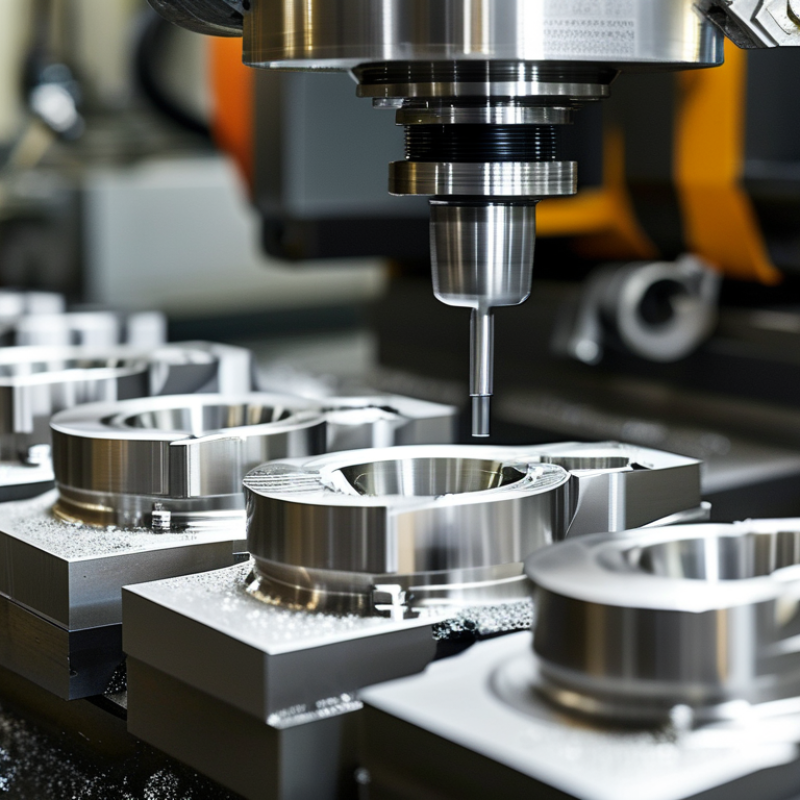
Define Your CNC Machining Requirements and Project Scope
Choosing a CNC machining supplier starts with a precise project scope, not a quick price request. Define the material, part dimensions, annual quantity, target batch size, and required delivery date. State critical tolerances clearly, such as ±0.02 mm, instead of writing “high precision.” Include surface roughness, coating, heat treatment, thread standards, and deburring expectations.
The International Federation of Robotics reported 541,302 industrial robot installations worldwide in 2023. This growth reflects rising automation, but automation cannot repair unclear drawings. Ask suppliers about machine travel, five-axis capability, inspection equipment, and process control. Request a sample inspection report and confirm whether measurements follow a recognized standard. A first specification is rarely perfect. Leave room for design review. One overlooked corner radius can change tooling, cycle time, and cost.
Tips: Prepare one complete RFQ package. Add 3D files, 2D drawings, material certificates, inspection requirements, and packaging details. Mark critical-to-function features. Separate “must-have” tolerances from preferred ones. Compare quotes on capability, lead time, inspection evidence, and communication—not price alone. The U.S. National Institute of Standards and Technology emphasizes measurement traceability for reliable manufacturing results, so ask how equipment is calibrated and records are maintained. Be honest about forecast uncertainty. A supplier planning for 100 parts may struggle when demand suddenly reaches 1,000.
Evaluate Supplier Capabilities, Equipment, and Material Expertise
Choosing a CNC machining supplier in 2026 starts with evidence, not a polished capability deck. Ask for recent examples involving comparable tolerances, alloys, wall thicknesses, and batch sizes. Verify the process route: five-axis milling, turning, probing, inspection, and controlled revision release. The 2024 Smart Manufacturing and Operations Survey found that 86% of manufacturing leaders viewed smart manufacturing as important to competitiveness. That figure should change your questions. Can the supplier capture tool offsets, inspection results, and machine alarms by job? Photos are not proof.
Material expertise is more than stocking aluminum or stainless steel. Request mill certificates, heat-lot traceability, hardness checks, and documented substitutions before quoting. For plastics or heat-treated alloys, ask how cutting speed, coolant, distortion, and stress relief are controlled. The 2023 ISO Survey records ISO 9001 certificates across more than 180 countries. Certification helps, but it does not replace a live process audit. Watch an operator measure a bore. Ask what happens after a failed first article.
Capacity claims also need testing. Compare stated tolerances with CMM capability, calibration dates, spindle condition, and actual inspection reports. Review quoting assumptions, minimum order quantities, overflow plans, and communication during engineering changes. Industry 4.0 language can hide weak fundamentals. One supplier may own advanced equipment yet lack material discipline. Another may run older machines carefully and deliver better parts. Do not confuse sophistication with reliability. Your scorecard should reward repeatability, documented learning, and honest escalation, even when the answer is inconvenient.
Verify Quality Systems, Certifications, and Inspection Standards
How to Choose a CNC Machining Supplier in 2026?
A capable CNC supplier should provide more than attractive prices and polished samples. Ask for a current quality certificate, its scope, issuing body, and expiration date. ISO 9001 can indicate a documented quality system, but it does not guarantee perfect parts. Check whether the certification covers the actual machining site and processes.
Request documented inspection procedures before approving production. These should identify calibrated equipment, measurement frequency, sampling rules, and records retention. For tight tolerances, ask whether the supplier uses a coordinate measuring machine, optical comparator, or calibrated gauges. Review inspection reports against the drawing, including datum references, geometric tolerances, surface finish, and material requirements. Standards such as ASME Y14.5 or relevant ISO specifications should match your engineering documentation.
Look beyond certificates. Audit a sample batch, inspect traceability labels, and compare raw material certificates with purchase records. Ask how nonconforming parts are isolated and corrected. A supplier should explain root-cause analysis without hiding inconvenient details. Red flags include generic reports, missing calibration dates, and measurements recorded with identical values across many parts.
No quality system is flawless. A thoughtful supplier admits process limits and shows corrective actions. My own review habit would include one uncomfortable question: what failed recently, and what changed afterward? The answer may reveal more than a perfect audit presentation. Verify evidence, not promises.
How to Choose a CNC Machining Supplier in 2026?
Verify the supplier’s quality system, relevant certifications, and inspection capability. The chart shows the reference publication year of widely used quality, testing, and dimensional-control standards. A newer publication year does not automatically mean better performance; confirm the certificate scope, issuing body, audit status, and actual inspection records.
For CNC machining, review ISO 9001 for the general quality management system, ISO/IEC 17025 when laboratory or calibration competence is required, ASME Y14.5 for geometric dimensioning and tolerancing, and industry-specific systems such as ISO 13485, IATF 16949, or AS9100 when applicable. Also request current calibration certificates, first-article inspection reports, material traceability, and nonconformance records.