How to Choose the Best Agricultural Irrigation Pump System?
Selecting the right Agricultural irrigation pump system is crucial for efficiency and productivity. According to the U.S. Department of Agriculture, proper irrigation systems can boost crop yields by up to 30%. This highlights the importance of choosing a system that meets specific farm needs.
Pumps play a vital role in delivering water effectively. Farmers must consider factors like flow rate, power source, and water source when making their choice. For instance, a diesel-powered pump may offer reliability but can be costly to maintain. Understanding these nuances is essential for sustainable operations.
Additionally, studies show that 40% of farmers struggle with outdated irrigation technologies. This can lead to water waste and reduced crop growth. The right agricultural irrigation pump system can prevent such pitfalls, ensuring long-term success. Recognizing the available options and their trade-offs is necessary for making informed decisions.
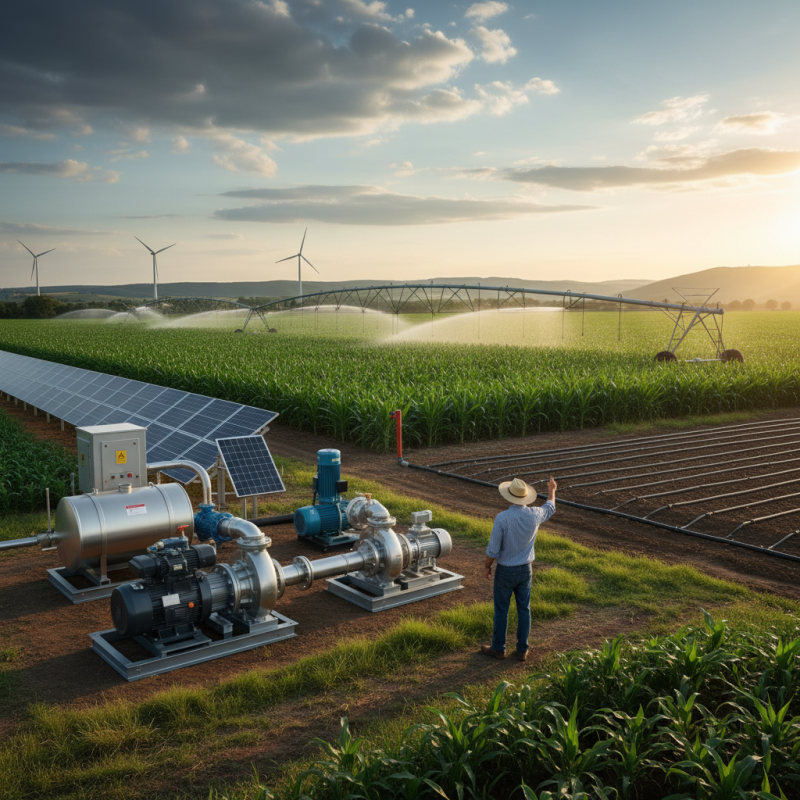
Understanding the Different Types of Agricultural Irrigation Pumps
Choosing the right agricultural irrigation pump system is essential for efficient water management. There are various types of irrigation pumps to consider. Centrifugal pumps, for example, are widely used for their reliability and performance, especially in low to moderate-pressure applications. According to industry reports, centrifugal pumps account for nearly 60% of the global irrigation pump market.
Another option is positive displacement pumps. They are known for handling thick fluids and are often used in specialized farming operations. Although they are efficient, their maintenance can be challenging. Make sure to evaluate the specific needs of your farm before making a choice.
Tips: Always check the pump's efficiency rating. A high-efficiency pump can reduce energy costs significantly. Also, consider the source of your water. Surface water and groundwater have different pump requirements.
Understanding the pump's compatibility with your irrigation system is vital. Some pumps may not work well with certain types of irrigation methods. Reflecting on the long-term reliability of your pump can save you from unexpected breakdowns. Always keep in mind that less expensive options may lead to higher running costs.
Factors to Consider When Selecting an Irrigation Pump System
Choosing the right agricultural irrigation pump system is critical for efficiency. Several factors can influence your decision. First, consider the water source. Is it a river, well, or tank? Each source has unique characteristics. Evaluate the distance from the source to your fields. This affects the power needed for the pump.
Next, assess the flow rate and pressure requirements. Pumps differ in their output capabilities. Know the needs of your crops. Different plants may require varied amounts of water. Choosing a pump with the wrong flow rate can lead to overwatering or underwatering.
Tips: Think about energy efficiency. An energy-efficient pump can save you money in the long run. Also, consider maintenance requirements. Some systems require frequent checks, while others are easier to manage.
Lastly, budget matters. A lower-cost pump may need repairs sooner. Regular maintenance costs can add up. Research different systems thoroughly to ensure reliability and longevity. Reflect on the long-term impacts of your choice. Quality pumps often pay for themselves over time.
How to Choose the Best Agricultural Irrigation Pump System? - Factors to Consider When Selecting an Irrigation Pump System
| Factor | Description | Importance |
| Water Source | Availability and type of water source (e.g., river, well, reservoir). | Critical |
| Pump Capacity | The amount of water the pump can deliver per unit of time (e.g., GPM or L/min). | High |
| Elevation | Vertical distance the water needs to be lifted. | High |
| Energy Source | Type of energy available (electricity, diesel, solar). | Medium |
| System Design | Overall layout and configuration of the irrigation system. | High |
| Maintenance | Ease of maintenance and availability of spare parts. | Medium |
| Cost | Initial investment, operational costs, and return on investment. | Critical |
| Flow Rate | Required flow rate, dependent on crop type and area. | High |
Evaluating Pump Efficiency and Energy Consumption
When evaluating pump efficiency and energy consumption for agricultural irrigation, several factors come into play. The Pump Systems Matter report from the U.S. Department of Energy indicates that irrigation pumps account for significant energy use in agriculture. On average, pumping water can represent up to 20% of energy costs for some farms. Understanding how to maximize efficiency can lead to substantial cost savings.
One way to enhance efficiency is through system design. Properly sizing the pump can ensure it operates within its optimal range. A pump that is too large consumes more energy than necessary. According to the California Energy Commission, selecting a pump with a high efficiency rating can reduce energy use by 30%. Regular maintenance also plays a critical role. A worn impeller or clogged filter can hamper performance, driving energy consumption upward.
Energy assessments can identify inefficiencies. Using data from local agricultural extensions, many farmers may discover their existing systems waste 15-30% of energy. Considering alternative energy sources, like solar, could also be a viable solution. Ultimately, careful monitoring is essential. The goal is not just to use energy but to do so effectively. Each farm's needs differ, and what's efficient for one may not be for another.
Comparison of Agricultural Irrigation Pump Efficiency by Type
This chart illustrates the efficiency of various types of agricultural irrigation pumps based on their energy consumption and output capacity.
Assessing Water Source and Delivery Requirements
When selecting an agricultural irrigation pump system, assessing the water source and delivery requirements is crucial. Understanding your water source is the first step. Reports indicate that 70% of global freshwater withdrawals are used for agriculture. Knowing whether your source is surface water, groundwater, or recycled water informs necessary pump specifications.
Consider water delivery needs. Different crops have varying irrigation demands. Data suggest that proper watering can improve yield by up to 20%. A research study highlights that selecting the right pump can save up to 40% in energy costs while ensuring adequate supply. The efficiency of the pump is also key. A well-matched pump system can deliver water consistently and reduce waste.
Evaluate the distance and height for water delivery. If your water needs exceed certain parameters, you might face challenges. It’s essential to calculate the head loss in pipes and fittings accurately. Flaws in this calculation can lead to insufficient water supply. Moreover, be mindful that local regulations may dictate the types of water sources you can utilize. Considering these factors will guide you toward an effective irrigation pump system, ensuring sustainable water use in farming practices.
Maintenance and Longevity of Irrigation Pump Systems
Maintaining an irrigation pump system is crucial for its longevity and efficiency. Regular checks on the pump's mechanical components can prevent failures. Inspect the motor, seals, and bearings for wear and tear. Ensuring these parts are in good condition can extend the life of the system significantly. Proper lubrication is often overlooked, yet it plays a vital role in the smooth operation of moving parts.
Debris can clog filters and intakes, decreasing the pump's performance. Regular cleaning and monitoring of these areas can help avoid costly repairs. Occasionally, the water source itself might introduce impurities, which can be detrimental. It’s essential to assess the water quality periodically. If sediment is a concern, consider installing sediment filters.
Operators should also keep a log of maintenance activities and inspections. This can help identify recurring issues, enabling timely intervention. Sometimes, despite best efforts, systems may still face unexpected breakdowns. Being prepared for such instances can mitigate downtime. Taking a proactive approach, rather than a reactive one, ensures that your irrigation systems remain efficient and reliable over time.