Why is Anti Static Masterbatch Essential for Modern Plastic Manufacturing?
In modern plastic manufacturing, the relevance of "anti static masterbatch" cannot be overstated. Dr. Emily Chen, an industry expert, stated, "Anti static masterbatch is vital for enhancing product reliability." Static electricity can lead to various issues during production. This can be particularly challenging in materials handling and packaging.
The integration of anti static masterbatch minimizes static charge build-up. This innovation is essential in sectors like electronics and packaging. Without it, products may suffer damages or inconsistencies. The industry faces a challenge in balancing efficiency and quality. Often, manufacturers overlook the importance of anti static solutions, leading to increased costs and waste.
Embracing anti static masterbatch can transform production processes. It allows for safer handling and improved product performance. However, not all manufacturers understand its full potential. By reevaluating strategies and focusing on innovative solutions, the industry can thrive.

The Role of Static Electricity in Plastic Manufacturing Processes
Static electricity plays a significant role in plastic manufacturing. It can cause issues like
material sticking and uneven filling. These problems often lead to defects in products,
increasing costs and waste.
Static charge can attract dust and contaminants. This contamination can compromise product quality.
Using anti-static masterbatch can mitigate these challenges. It effectively reduces static charge during processing.
As a result, materials flow better through machinery. The balance of electrostatic forces is crucial for smooth operations. However, applying this technology
isn't always straightforward. Manufacturers must choose the right formulation for their specific needs.
Despite its advantages, there are some limitations. Effectiveness can vary based on environmental conditions.
Temperature and humidity can impact performance.
Sometimes, the right additive may not be available. This creates a situation where manufacturers need to innovate, continuously seeking solutions.
Such challenges invite reflection on existing practices in the industry.
Understanding Anti-Static Masterbatch: Composition and Functionality
Anti-static masterbatch plays a crucial role in modern plastic manufacturing. This compound is designed to reduce static electricity on plastic surfaces. Static buildup can lead to handling issues, product defects, and even safety hazards. According to industry reports, up to 40% of production delays in plastic manufacturing arise from static-related problems.
Typically, anti-static masterbatch consists of a blend of conductive fillers and additives. These components work together to dissipate static charges effectively. Commonly used fillers include carbon black and other conductive polymers. The right formulation can achieve a surface resistivity as low as 106 ohms, significantly reducing static buildup. Manufacturers often struggle to find the right balance between cost and performance. Selecting the wrong masterbatch can lead to a loss of product quality.
The benefits of anti-static masterbatch extend beyond preventing static. It enhances the overall quality of plastics. Products with anti-static properties resist dust and dirt accumulation. This is particularly important for packaging and electronic components. Yet, many manufacturers overlook the long-term benefits of using these solutions. They may focus solely on short-term costs, which can lead to higher expenses in the long run. Investing in effective anti-static solutions is key to optimizing production efficiency and product reliability.
Benefits of Using Anti-Static Masterbatch in Product Quality and Efficiency
In modern plastic manufacturing, anti-static masterbatch plays a critical role. It helps reduce static electricity in plastic products. Static charge can lead to product defects, affecting quality. According to industry reports, up to 30% of defects are caused by static electricity.
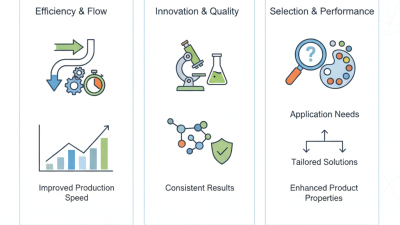
Using anti-static masterbatch enhances product efficiency. It allows smoother processing of materials. This results in fewer production interruptions. A study showed that incorporating this additive can improve process speed by 15%. Less downtime means higher output and profitability.
Tip: Consider testing various formulations. Some may perform better than others. Fine-tuning the concentrations can yield better results.
Additionally, static electricity can attract dust and debris. This can mar the surface of final products. Anti-static masterbatch helps maintain clean surfaces, ensuring a visually appealing finish. However, not all anti-static solutions offer the same level of effectiveness. It’s essential to choose the right type for your specific application.
Tip: Regularly reassess your anti-static strategies. As technology evolves, so do the solutions. Staying updated is key to maintaining product integrity.
Benefits of Using Anti-Static Masterbatch in Plastic Manufacturing
Applications of Anti-Static Masterbatch in Various Plastic Products
Anti-static masterbatch is critical for various plastic applications. These additives help to mitigate static electricity build-up, which can lead to issues during manufacturing. For example, they are widely used in packaging materials. According to reports, the global anti-static masterbatch market is expected to reach $900 million by 2026, demonstrating significant industry growth.
In electronics packaging, anti-static materials are essential. They prevent damage to sensitive components from static discharge. In the automotive industry, anti-static masterbatches are used in dashboard components and interior fittings, ensuring safety and design integrity. However, not all manufacturers recognize this necessity. Ignoring static control can lead to costly errors in production and product performance.
Tips: Always test your anti-static masterbatch in real-world conditions. Not all situations are identical. Be aware of differing humidity levels that can affect performance. Additionally, keep an eye on market trends. Just because everyone is using it doesn’t mean it’s perfect. Regularly assessing your materials and practices is crucial to staying ahead in the competitive landscape.
Future Trends in Anti-Static Solutions for the Plastics Industry
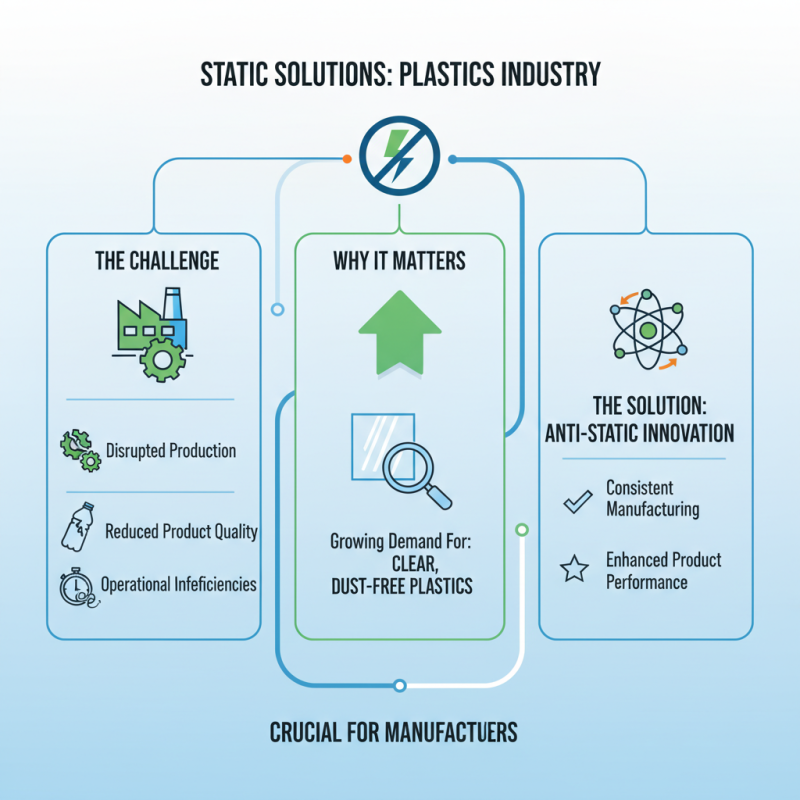
In the plastics industry, anti-static solutions are becoming increasingly vital. The challenge of static electricity can disrupt production processes. It affects product quality and leads to operational inefficiencies. For manufacturers, managing static is crucial. Rising demands for clear, dust-free plastic products create pressure to innovate.
One trend is the development of more effective anti-static masterbatches. These products integrate seamlessly into various plastics. They provide lasting performance without compromising aesthetics. However, many manufacturers still face challenges in selecting the right solutions. Over-reliance on traditional methods can hinder progress. The industry may benefit from a more diverse approach, embracing both old and new technologies.
Sustainability is another critical factor. Eco-friendly alternatives to traditional anti-static agents are gaining traction. These solutions not only mitigate static but also align with green manufacturing practices. Yet, there is still skepticism about their effectiveness. As companies strive for balance, ongoing research is essential. The future demands a commitment to both innovation and sustainability.