What is a Heat Fusion Machine and How Does It Work?
The Heat Fusion Machine is a powerful tool in various manufacturing industries. It streamlines processes by joining materials seamlessly. According to a recent industry report by MarketsandMarkets, the global market for heat fusion technology is projected to reach $1.5 billion by 2025, highlighting its significance.
This technology offers precision that manual methods cannot match. Heat Fusion Machines apply controlled heat and pressure to create strong bonds. The efficiency gained from this process can boost production rates dramatically. However, many manufacturers still use traditional methods, facing challenges in adapting to modern techniques. Understanding the mechanics of Heat Fusion Machines is crucial for staying competitive.
In an age where sustainability plays a vital role, these machines also contribute to reducing waste. They ensure less material is discarded during manufacturing. Nevertheless, the upfront investment can be a barrier for smaller companies. Exploring the benefits and challenges of Heat Fusion Machines can provide valuable insights for businesses aiming to innovate.
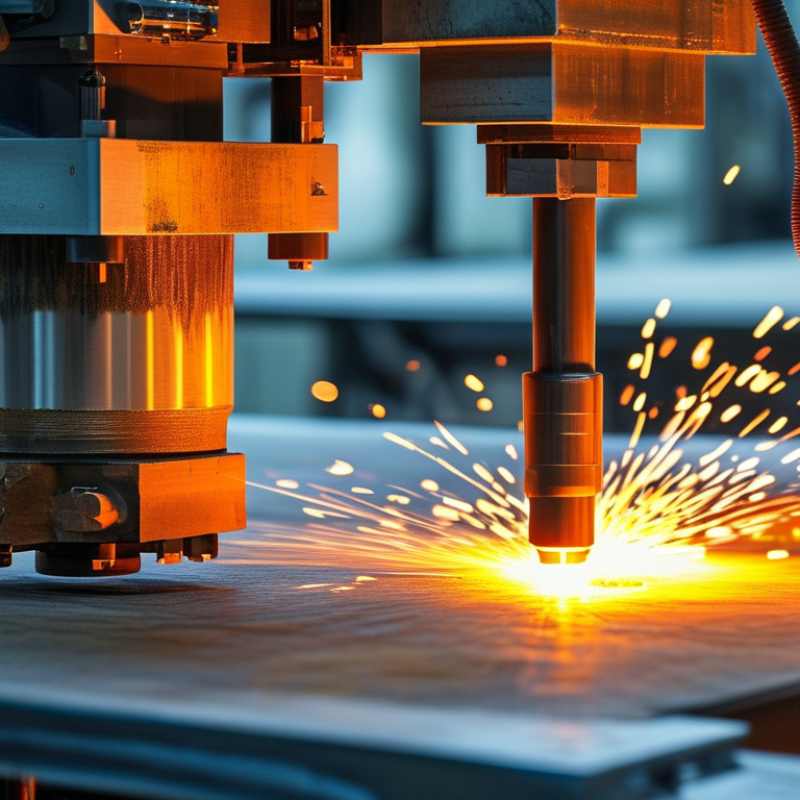
What is a Heat Fusion Machine? An Overview of Its Functionality
A heat fusion machine is a critical tool in modern manufacturing. It is designed to join materials, typically plastics, using heat. The main functionality lies in the controlled application of heat and pressure to achieve a strong bond. This process is widely used in various industries, from construction to electronics.
The operation of the machine involves heating two surfaces until they reach their melting point. This allows the materials to fuse together. However, achieving the right temperature is challenging. Too much heat can lead to degradation, while too little might not create a proper bond. The precision required highlights the importance of experienced operators.
Despite its advantages, the heat fusion process has its drawbacks. Improper settings can cause weak joints. Inconsistent results can lead to material waste, which impacts productivity. Operators need to maintain a consistent environment. They must be vigilant about machine calibration and material conditions to ensure optimal results. It’s an ongoing learning process, and improvement is always possible.
Overview of Heat Fusion Machines
| Feature | Description |
| Functionality | Joins two pieces of material by applying heat to create a strong bond. |
| Common Uses | Used in textile, plastic, and metal industries for welding and connecting materials. |
| Heating Method | Typically uses either electric heat or hot air to achieve the necessary temperature for fusion. |
| Temperature Range | Can operate in a range of 200°C to 400°C depending on the materials being fused. |
| Advantages | Creates durable, long-lasting bonds; suitable for a variety of materials; efficient production process. |
| Safety Features | Includes thermal insulation, automatic shutoff, and safety guards to protect operators. |
The Science Behind Heat Fusion: Mechanisms and Processes Explained
Heat fusion machines are fascinating devices that utilize specific scientific principles to bond materials through heat. At the core of heat fusion is the mechanism of energy transfer. When heat is applied to the material, the temperature rises, causing molecular movement. This results in the softening or melting of materials, allowing them to merge seamlessly.
According to a report by the International Association of Manufacturers, the heat fusion process can achieve bond strengths exceeding 80% of the original material's strength. This is crucial in industries where durability is essential. Effective temperature control is vital during the fusion process. Too much heat can lead to degradation, while too little may not achieve a proper bond.
**Tip:** Always monitor the temperature closely when operating a heat fusion machine. Small deviations can significantly impact the quality of the fusion.
Moreover, the duration of heat application affects the outcome. Industry standards suggest that the time taken for fusion needs optimization based on material types. For instance, thermoplastics require different processing times compared to metals. Not achieving the right duration could result in weak joints.
**Tip:** Experiment with different times to find the ideal parameter for your materials. This helps in refining the fusion process. Always document your findings for future reference.
Key Components of Heat Fusion Machines and Their Roles in Operation
Heat fusion machines are essential in various industries, employing specific components to achieve efficient fusions. The key elements include the heating element, pressure mechanism, and control system. Each component plays a crucial role in ensuring optimal operation.
The heating element generates the required temperature for fusion. It accurately heats the materials without causing damage. Next, the pressure mechanism applies force to bring the materials together. This step is vital for proper bonding. The control system monitors the entire process, allowing for adjustments in temperature and pressure as needed. It ensures consistent results and minimizes errors.
Despite their effectiveness, heat fusion machines can face challenges. Overheating may occur if the controls malfunction. Additionally, improper pressure can lead to weak bonds. Operators need to remain attentive to these risks. Understanding the machine's components is crucial for troubleshooting and improving results. Continuous monitoring and training are essential.
Applications of Heat Fusion Technology in Industry and Manufacturing
Heat fusion technology plays a vital role in various industries. It is widely used in plastic manufacturing. This process involves melting and joining materials together. It can create strong and permanent bonds, enhancing product durability.
In the construction sector, heat fusion machines are essential for welding pipes. They ensure that joints are leak-proof and robust. This application significantly reduces maintenance costs over time. However, improper technique can lead to weak joints, which can be problematic.
Packaging also leverages heat fusion technology. Manufacturers use it to create airtight seals. This process preserves product freshness and safety. Nevertheless, ensuring the right temperature and time is crucial. Overheating can damage materials, while underheating may compromise seals. Balancing these factors is key for optimal results.
Safety Standards and Best Practices for Operating Heat Fusion Machines
When operating a heat fusion machine, understanding safety standards is crucial. These machines work by heating and fusing materials together, typically piping. Proper protective gear is essential. Operators should wear heat-resistant gloves, safety goggles, and protective clothing. This reduces the risk of burns or other injuries during operation.
Following best practices can enhance safety. Always ensure that the machine is adequately maintained. Regular inspections help identify worn-out parts or potential hazards. Familiarize yourself with the machine's manual. It contains important safety information and operational guidelines.
Tips: Always stay focused while operating the machine. Distractions can lead to accidents. Use clear communication signals if working in a team. Lastly, don't rush the fusion process. Patience ensures better results. Remember, being cautious today prevents harm tomorrow.
Heat Fusion Machine Usage and Safety Compliance