What is Plastic Filler Masterbatch and Its Benefits for Manufacturers?
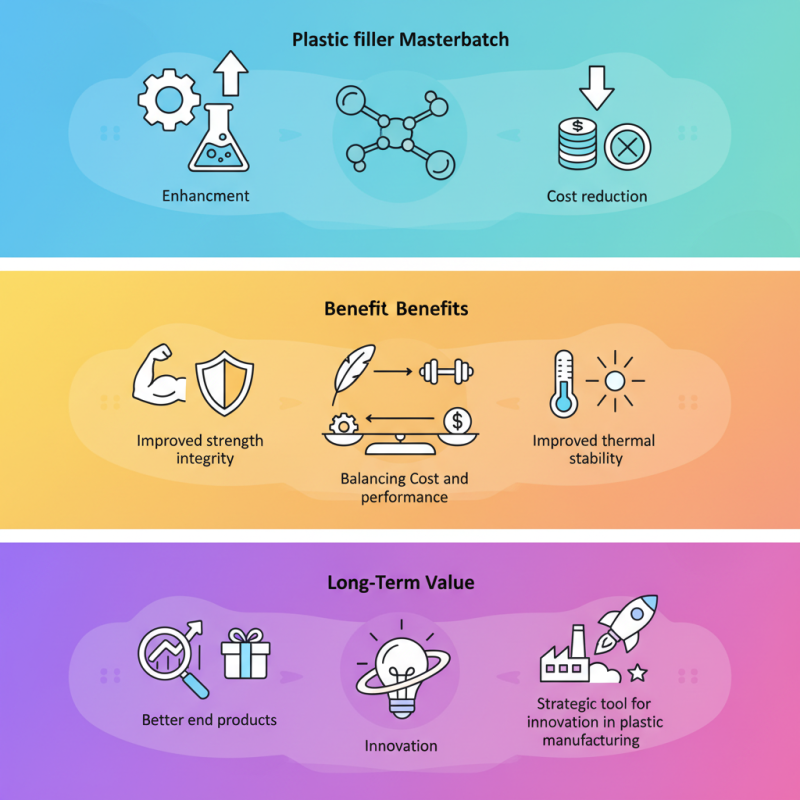
In the rapidly evolving plastic manufacturing industry, "plastic filler masterbatch" has become a vital component. Experts like Dr. Emily Scott, a leading authority in polymer technology, emphasize its significance. She states, "Plastic filler masterbatch enhances product performance while reducing costs." This simple yet powerful statement underlines its importance for manufacturers.
Plastic filler masterbatch improves the mechanical properties of plastic products. It allows manufacturers to achieve desired qualities without compromising on material integrity. The addition of fillers can enhance strength, reduce weight, and improve thermal stability. However, challenges remain. Finding the right balance between cost and performance can be complex.
Some manufacturers may overlook the long-term benefits of using plastic filler masterbatch. They might focus solely on immediate savings. It's crucial to understand that investing in high-quality masterbatch can lead to better end products. This creates added value in the competitive market. Ultimately, plastic filler masterbatch serves as a strategic tool for innovation in plastic manufacturing.
Understanding Plastic Filler Masterbatch: Definition and Composition
Plastic filler masterbatch is a compound that combines plastic resin with fillers. This blend enhances the physical properties of the final product. Fillers can include talc, calcium carbonate, or other minerals. These materials reduce production costs while improving strength and stiffness. Manufacturers benefit from using this approach, as it creates lightweight yet durable products.
In terms of composition, plastic filler masterbatch typically consists of a carrier polymer and specific fillers. The carrier polymer binds the fillers into a uniform blend. This ensures consistent quality across different batches. It also facilitates easy processing during manufacturing. The right ratio of fillers makes a significant difference in the performance of the end product.
Tip: Always test small batches to determine the optimal filler ratio. It can affect the appearance and mechanical properties of the final product.
Selecting the right filler is crucial for product success. Talc improves impact resistance, while calcium carbonate enhances rigidity. However, it’s essential to balance the cost and performance of these fillers.
Tip: Keep up with industry developments. Advances in filler technology can lead to better performance and cost savings.
The Role of Plastic Filler Masterbatch in Polymer Manufacturing Processes
Plastic filler masterbatch is a crucial component in polymer manufacturing processes. It is a concentrated mixture of additives and fillers that enhance the properties of plastics. These masterbatches can significantly reduce production costs. Reports indicate that incorporating fillers can lower polymer material costs by up to 30%. This is achieved without compromising the quality or performance of the final product.
The role of plastic filler masterbatch extends beyond mere cost savings. It also improves mechanical strength, impact resistance, and thermal stability of plastics. For instance, studies show that using calcium carbonate as a filler can increase tensile strength by 20% to 40%. However, not all fillers are created equal. Some fillers might introduce variability in processing behavior or affect the final product’s appearance. Manufacturers must carefully choose their fillers to avoid unwanted outcomes.
In addition to functional benefits, sustainability plays a significant role. With increasing pressure to reduce plastic waste, many manufacturers are seeking eco-friendly fillers. Biodegradable fillers show promise but often lack the same level of performance as traditional options. Initiatives are underway to balance performance and environmental responsibility, but challenges remain. The future of plastic filler masterbatches is promising, yet complex decisions lie ahead for manufacturers.
What is Plastic Filler Masterbatch and Its Benefits for Manufacturers?
| Feature |
Description |
Benefits |
| Composition |
Combination of plastic resins and fillers |
Cost reduction and improved material properties |
| Production Process |
Manufactured through melt mixing |
Enhanced processability in extrusion and molding |
| Types of Fillers |
Minerals, fibers, and recycled materials |
Sustainable production and lower environmental impact |
| Applications |
Used in various plastic products including packaging and automotive parts |
Versatility in applications across industries |
| Mechanical Properties |
Improved tensile strength and impact resistance |
Durability and longevity of plastic products |
| Color Masterbatch Availability |
Available in various colors for aesthetic purposes |
Enhanced visual appeal of products |
Key Benefits of Using Plastic Filler Masterbatch for Manufacturers
Plastic filler masterbatch is an innovative product that manufacturers increasingly turn to for various advantages. This material is primarily used to enhance the properties of plastic products. By incorporating filler masterbatch, companies can achieve better mechanical strength and lower production costs.
One key benefit is the reduction in material costs. By adding filler masterbatch, manufacturers can use less resin without compromising product quality. This can significantly cut down expenses while maintaining a competitive edge in pricing. Additionally, the increased bulk density often results in improved processing efficiencies.
Tips: Always ensure your filler masterbatch is compatible with your base resin. Testing in small batches can help identify any potential issues before large-scale production.
Another advantage is enhanced product performance. Filler masterbatch can improve properties like rigidity and thermal resistance. Manufacturers see better product durability, which leads to higher customer satisfaction. However, too much filler may result in brittleness or reduced flexibility. Finding the right balance is crucial for success.
Tips: Regularly evaluate your filler ratios. Adjustments may be needed based on variations in resin quality or end-use requirements.
Application Areas: Where Plastic Filler Masterbatch is Commonly Used
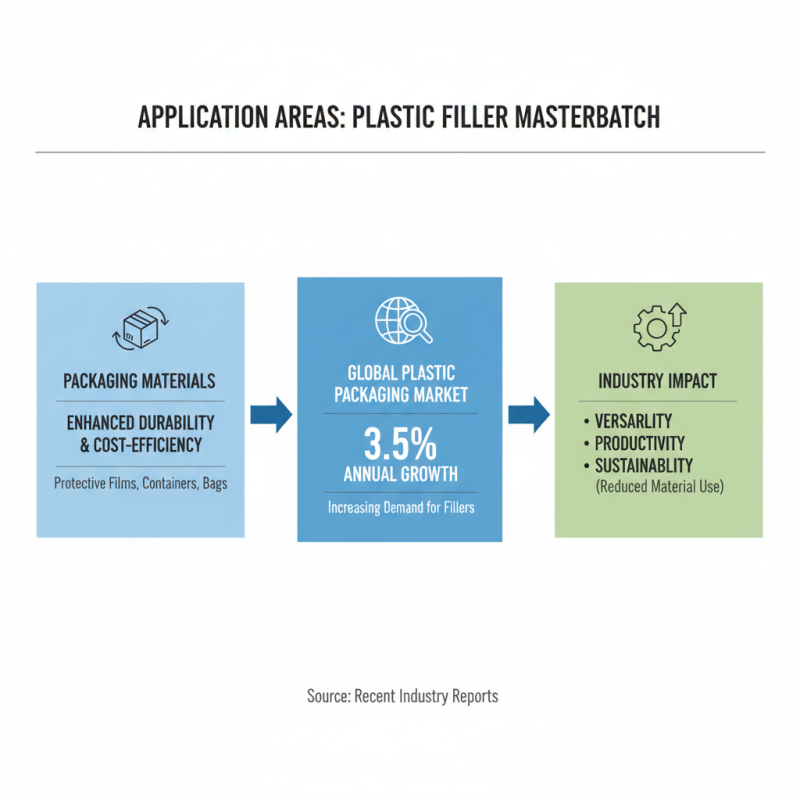
Plastic filler masterbatch serves various industries by enhancing the properties of plastics. One common application area is in packaging materials. According to recent industry reports, the global plastic packaging market is projected to grow by 3.5% annually. This growth illustrates the increasing demand for fillers that improve durability and cost-efficiency in packaging applications.
Another notable sector utilizing plastic filler masterbatch is automotive manufacturing. Approximately 30% of automobile components now use filled plastic materials. These fillers not only reduce weight, but they also improve fuel efficiency. Manufacturers appreciate fillers for their performance advantages in automotive parts.
Tips: When selecting a filler, consider compatibility with your base polymer. Some fillers might not bond well, impacting overall material properties.
Similarly, construction materials increasingly integrate plastic filler masterbatch. It enhances strength and reduces overall material costs. Yet, choosing the right filler can be challenging. Variability in properties among different fillers might affect the final product quality.
Tips: Always conduct tests to evaluate how different fillers interact with your chosen resins. This can prevent unexpected issues down the line.
Environmental Considerations and Sustainability of Plastic Filler Masterbatch
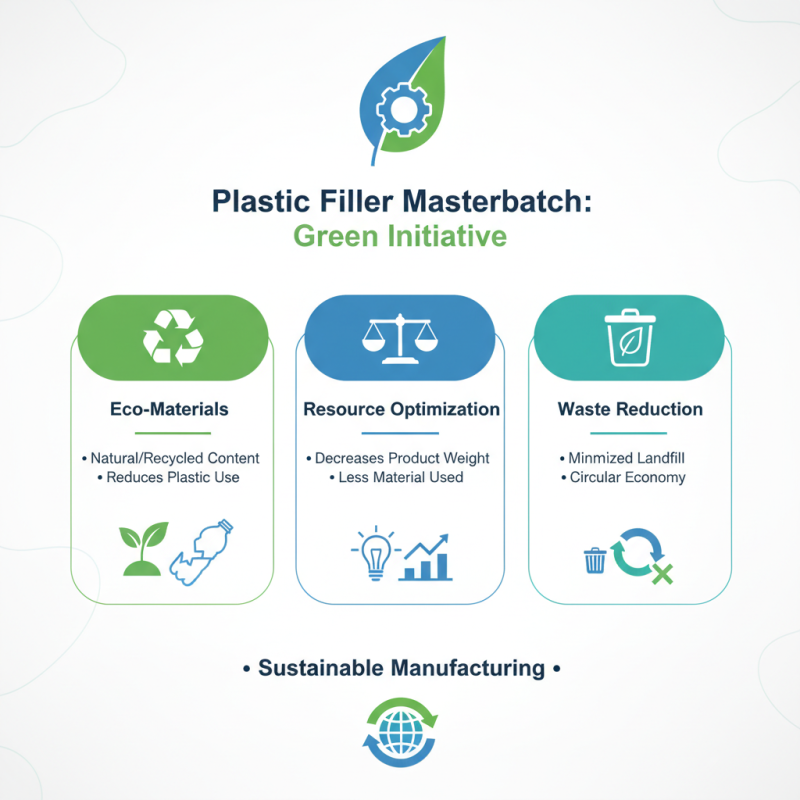
Plastic filler masterbatch is gaining attention for its environmental benefits. It incorporates natural or recycled materials, reducing the overall plastic content in products. By using fillers, manufacturers can decrease the weight of plastic items. This not only optimizes resource usage but also minimizes waste.
Sustainability is crucial in today’s market. Manufacturers that adopt plastic filler masterbatch lessen their environmental footprint. However, sourcing these fillers can be challenging. Some fillers may not meet quality standards, leading to compromises in product integrity. It's important for companies to thoroughly vet suppliers and choose fillers that align with their sustainability goals.
Ultimately, while plastic filler masterbatch offers significant environmental advantages, there are complexities to consider. Balancing quality, cost, and sustainability requires careful planning. Companies must continuously assess the impact of their choices, striving for the best outcomes. The journey toward sustainability is ongoing and requires adaptation and reflection.