What is Regenerative Oxidizer and How Does it Work?
In today’s world, industries face increasing pressure to reduce emissions and enhance sustainability. The Regenerative Oxidizer emerges as a vital technology in this fight. It plays a key role in treating exhaust gases, contributing significantly to cleaner air and reduced environmental impact.
The Regenerative Oxidizer operates by capturing and oxidizing volatile organic compounds (VOCs) before they escape into the atmosphere. This process not only minimizes harmful pollutants but also recovers energy, making it more efficient. Many industries, from manufacturing to waste management, have adopted this approach due to its effectiveness.
However, the implementation of a Regenerative Oxidizer is not without challenges. Initial costs can be high, and ongoing maintenance is essential for optimal performance. Ensuring reliable operation requires specialized knowledge and expertise. Therefore, while this technology offers significant benefits, ongoing evaluation and adaptation are crucial in maximizing its potential.
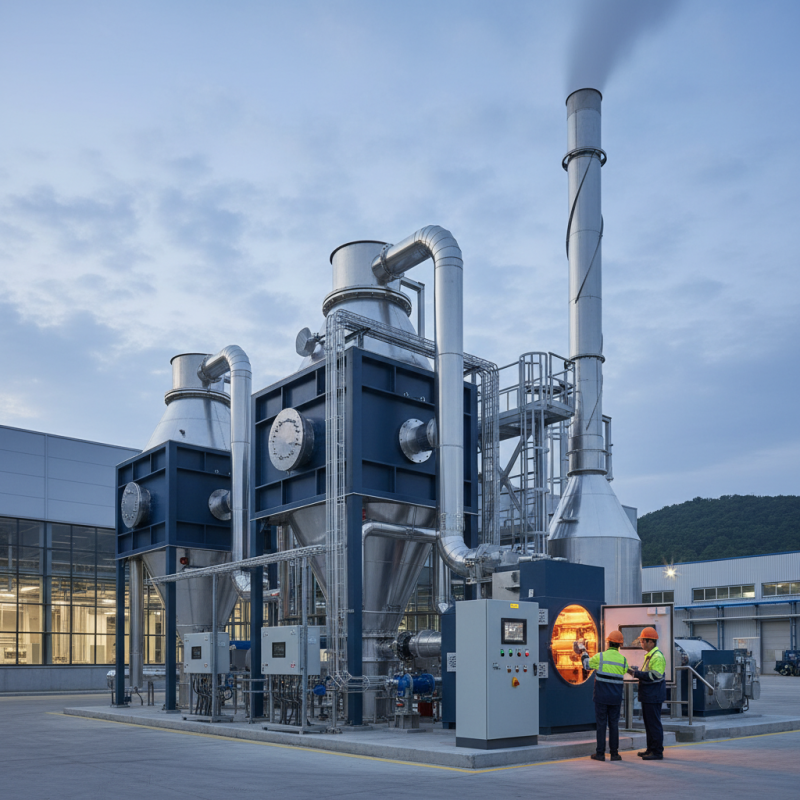
What is a Regenerative Oxidizer?
Regenerative oxidizers are advanced air pollution control devices. They are designed to eliminate volatile organic compounds (VOCs) and other harmful pollutants from industrial emissions. This technology works by capturing the pollutants and oxidizing them at high temperatures. The process involves a thermal oxidation chamber, which is essential for transforming these harmful substances into harmless byproducts like carbon dioxide and water.
The effectiveness of regenerative oxidizers lies in their ability to recover heat. As the exhaust gases pass through the system, they both cool down and preheat incoming air. This heat recovery reduces energy consumption and enhances efficiency. However, there can be challenges. For instance, maintaining optimal temperatures is crucial. Any fluctuation may lead to incomplete oxidation. Operators must consistently monitor performance to mitigate these risks.
Another key aspect is the material used in the oxidation chambers. It needs to withstand high temperatures and corrosive gases. While many materials are suitable, the effectiveness may vary. Continuous research is essential to improve materials and designs for better performance. Implementing these systems can also require a cultural shift in companies. Training staff and aligning goals with sustainability efforts are critical for success in reducing environmental footprints.
The Basic Principles of Regenerative Oxidization
Regenerative oxidization is a crucial process used in air pollution control. It is based on the principle of using heat from combustion to oxidize volatile organic compounds (VOCs). During the process, exhaust gases pass through a heat exchanger, which captures heat and raises the temperature of incoming air. This efficiency helps reduce energy consumption.
Hot exhaust air is then introduced back into the combustion chamber. The oxidizer works by enabling higher combustion temperatures. This results in the destruction of pollutants, significantly reducing the environmental impact. Various industries benefit from regenerative oxidization, such as manufacturing and waste management.
Tips: Always monitor operating temperatures. Keeping them stable leads to optimal performance. Regular maintenance of the heat exchanger is critical. A clean system ensures effective oxidation and energy recovery. Consider integrating real-time monitoring systems. This allows for timely adjustments and can prevent inefficiencies.
How Regenerative Oxidizers Function in Emission Control
Regenerative oxidizers play a crucial role in emission control systems. These devices efficiently manage volatile organic compounds (VOCs) and other harmful emissions from industrial processes. They utilize a thermal oxidation process, converting these pollutants into less harmful substances. According to the U.S. Environmental Protection Agency (EPA), effective VOC control is essential. VOCs are linked to health risks and environmental issues, making proper regulation a priority.
The functionality of regenerative oxidizers involves recycling heat generated during combustion. Two key components—regenerative heat exchangers and a combustion chamber—work in tandem. Incoming exhaust gases pass through these exchangers, heating their ceramic substrates. This process captures and stores heat. When the combustor operates, VOCs are oxidized at high temperatures, converting them into carbon dioxide and water. Studies indicate that this method can achieve VOC destruction efficiency rates exceeding 95%. Yet, operational challenges can arise. Variabilities in feed composition can affect performance and energy consumption.
Despite their advantages, the complexity of regenerative oxidizers can lead to maintenance challenges. Regular monitoring and maintenance are essential for long-term efficiency. Data shows that improper upkeep can decrease oxidation efficiency and increase emissions. Ensuring optimal operation requires not only investment in technology but also ongoing training for personnel. Balancing cost and efficiency remains a significant consideration for industries aiming to maintain compliance with emission standards.
What is Regenerative Oxidizer and How Does it Work? - How Regenerative Oxidizers Function in Emission Control
| Parameter | Description | Value |
| Temperature Range | Operating temperature range for efficient combustion | 300°C - 900°C |
| Oxidization Efficiency | Percentage of volatile organic compounds (VOCs) eliminated | 95% - 99% |
| Pressure Drop | Pressure loss across the oxidizer | < 1 inch of water |
| Regeneration Cycle | Time taken for the regeneration process | 30 - 60 minutes |
| Typical Applications | Common industries using regenerative oxidizers | Paint shops, chemical manufacturing, waste treatment |
| Footprint | Required space for installation | Varies by model; approx. 100 - 500 sq. ft. |
Applications of Regenerative Oxidizers in Industry
Regenerative oxidizers play a crucial role in various industries. They are vital for reducing harmful emissions. These systems work by using heat to oxidize volatile organic compounds (VOCs) and other pollutants. Industries like automotive, pharmaceuticals, and food processing utilize regenerative oxidizers to meet environmental regulations. By recycling energy, they increase efficiency and reduce costs.
In the automotive industry, for example, regenerative oxidizers effectively reduce emissions from paint booths. This process ensures that harmful chemicals are minimized. Pharmaceutical manufacturers also benefit significantly. They face strict regulations regarding air quality. Regenerative oxidizers help them comply by breaking down VOCs and hazardous air pollutants.
Tips: Regular maintenance of regenerative oxidizers is essential. Proper upkeep can enhance efficiency. Ensure that the systems are clean and functioning correctly. Also, training staff on operational best practices can lead to better outcomes. Understanding how these systems work is vital for optimizing their use. Engage with experts for insights and improvements.
Advantages of Using Regenerative Oxidizers for Pollution Management
Regenerative oxidizers are an effective solution for industrial pollution management. These systems utilize heat recovery to minimize energy use while treating volatile organic compounds (VOCs) and other pollutants. An important study showed that regenerative oxidizers can achieve over 95% destruction efficiency for VOCs, reducing harmful emissions significantly.
The advantages of using regenerative oxidizers are notable. They not only lower operational costs but also enhance emission compliance. Research indicates that companies can experience up to a 50% reduction in energy consumption compared to traditional systems. This efficiency translates to lower greenhouse gas emissions, directly benefiting environmental health. However, implementation can be complex. Some facilities struggle with upfront capital costs and system integration.
In addition, while regenerative oxidizers provide substantial benefits, they are not without limitations. Not all industries may achieve the same level of efficiency due to variable pollutant types. A thorough assessment is essential to maximize their effectiveness. Balancing initial investments against long-term savings involves careful consideration. This reflection can lead to more informed decisions on pollution control strategies.
Regenerative Oxidizers: Performance Metrics
The bar chart above illustrates the performance metrics of regenerative oxidizers in pollution management. It showcases various aspects such as the reduction in Volatile Organic Compounds (VOCs), energy recovery rates, cost savings, and overall operating efficiency, highlighting the advantages of utilizing regenerative oxidizers in environmental applications.