2026 Top Livestock Tag Trends You Need to Know?
As we approach 2026, understanding the latest trends in Livestock Tagging is crucial for farmers and livestock managers. Livestock tags serve as essential tools for animal identification, health management, and tracking. These tags can enhance productivity and streamline operations on farms. However, the rapid evolution of technology introduces both opportunities and challenges.
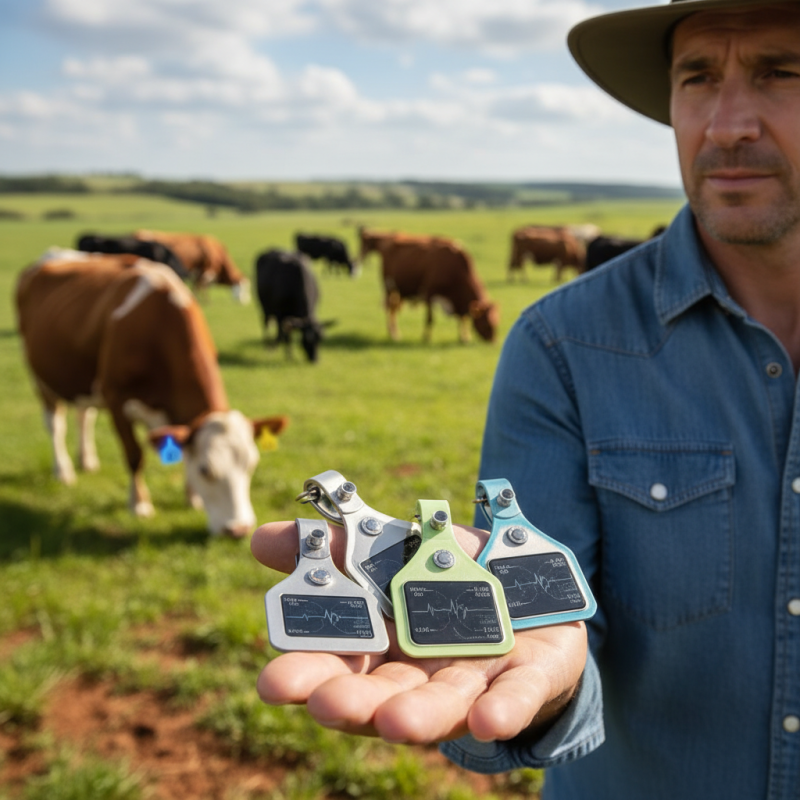
The future of livestock tags includes advancements in materials and technology. Smart tags equipped with sensors enable real-time data collection. This allows farmers to monitor the health and location of their animals efficiently. Yet, with innovation comes the necessity for proper training and adaptation. The industry may face hesitation from traditional farmers who might resist change. A balanced approach is essential for integrating new livestock tag solutions effectively.
Moreover, sustainability is a growing concern. Manufacturers are increasingly focusing on eco-friendly materials. This trend reflects the industry's commitment to reducing environmental impact. Nevertheless, some products may still lack comprehensive testing for durability. As trends evolve, stakeholders need to remain informed and adaptable. Engaging with reliable sources will help navigate these changes for the betterment of livestock management.
Emerging Technologies in Livestock Tagging for 2026
Emerging technologies in livestock tagging are poised to transform the industry by 2026. One significant trend is the use of RFID technology. These tags can be scanned from a distance, improving efficiency during cattle management. Farmers can track movement and health status without physical contact, which is essential for animal welfare.
Another intriguing development is sensor-integrated tags. These tags collect data on vital signs, location, and environmental conditions. Imagine a tag that alerts farmers if an animal is sick or needs attention. This real-time data can significantly improve livestock management. However, the technology's reliability is still a concern for many farmers.
Blockchain integration can enhance the traceability of livestock products. By securely recording each animal's history, it reduces fraud in the supply chain. Despite its promise, the implementation of blockchain remains complex and costly. The challenge lies in ensuring that all parties adopt this technology uniformly. As these trends emerge, they hint at a future where technology and livestock farming are inseparable. Flexibility and adaptability will be key for farmers navigating this changing landscape.
Sustainable Materials Driving the Future of Livestock Tags
The livestock industry is evolving, with sustainable materials emerging as critical components in the design of livestock tags. Recent studies indicate that more than 60% of producers are interested in sustainable tag solutions. These materials not only minimize environmental impact but also enhance the durability and functionality of tags.
Adopting biodegradable plastics and recycled materials is becoming a popular choice. According to a report by Allied Market Research, the global market for sustainable animal identification tags is projected to grow by 15% annually until 2030. This trend aligns with increasing consumer demand for environmentally responsible practices in agriculture. Farmers are seeing that these tags reduce waste and offer a competitive edge.
Here’s a tip: Consider tagging systems that provide data at every lifecycle stage. This ensures better traceability and optimizes livestock management. Another tip is to engage with suppliers who prioritize sustainable practices. Their expertise can guide you in selecting the right materials. Reflect on your current tagging system and ask if it aligns with sustainable goals. Adapting to these changes can make a positive difference, not only for your operations but for the industry as a whole.
Key Features to Look for in Modern Livestock Tags
In 2026, modern livestock tags will incorporate several key features for improved management. One significant trend is the integration of RFID technology. This enhances tracking, ensuring accurate inventory management. According to a recent industry report, RFID tags can reduce labor costs by up to 30%. Such advancements boost efficiency and streamline operations on farms.
Another critical feature is durability. Livestock tags must withstand harsh weather conditions and physical wear. Studies indicate that tags with UV resistance last significantly longer. A tag that survives the elements contributes to consistent record-keeping. Farmers now favor tags that are resistant to fading or damage.
User-friendly designs are also essential. Tags that allow for easy application save time during busy seasons. Animal welfare advocates stress the importance of comfortable tags that do not irritate livestock. These insights shape the evolving standards in livestock management. The industry is moving towards tags that balance functionality with humane considerations as producers prioritize animal comfort alongside operational efficiency.
2026 Top Livestock Tag Trends You Need to Know
Integration of IoT and Livestock Tagging Solutions
The integration of Internet of Things (IoT) technology with livestock tagging solutions is transforming the agriculture sector. IoT devices allow for real-time tracking of livestock health and location. Farmers can monitor their animals from anywhere, ensuring their well-being. This advancement simplifies management tasks and promotes efficient resource use.
Tips: Always update your tagging system software for optimal performance. Regular training for staff on IoT devices is crucial too. Familiarize yourself with data security protocols to protect sensitive information.
Using smart tags, farmers gain insights into animal behavior. These insights improve decision-making processes. However, it’s important to recognize the learning curve involved. Systems may experience hiccups, and staff may need time to adapt. Continuous feedback and adjustments are essential for maximizing efficiency.
Tips: Test the system in smaller groups before widespread implementation. Collect and analyze data for better understanding. Don't overlook the importance of addressing technical issues promptly.
Market Trends Shaping the Livestock Tag Industry in 2026
The livestock tag industry is witnessing significant shifts as we approach 2026. Enhanced traceability remains a hot topic. A recent report highlights that 70% of farmers now seek advanced identification methods. This demand is driven by regulatory pressures and consumer preferences for transparency. Many are turning to smart tags with RFID technology, enabling real-time tracking of animals.
Sustainability is another key market trend. A study found that 55% of livestock producers aim to reduce their environmental footprint through better management practices. They are increasingly choosing eco-friendly materials for tags. However, the challenge lies in balancing durability with biodegradable options. Current solutions often lack longevity, leading to potential waste issues.
Moreover, the integration of digital platforms is on the rise. Experts project a growth rate of 25% in the use of livestock management software. This movement encourages data-driven decisions. Yet, the technology isn't foolproof. Accessibility remains a concern, particularly for small-scale farmers, who may lack the resources to adopt these innovations.