
Water-based coating technology is moving from a niche option toward a practical production standard. Fortune Business Insights values the global water-based coatings market at approximately USD 77.57 billion in 2023. Its report also projects continued growth through 2032, supported by lower volatile organic compound emissions and stricter sustainability expectations. These trends are increasing interest in reliable Water-Based Gel Coating Machine systems.
A suitable machine must do more than apply gel evenly. It should manage viscosity changes, stable flow, controlled film thickness, and quick cleaning between batches. Stainless-steel contact parts matter. So do accurate pumps, adjustable coating gaps, and drying systems that prevent surface defects. A few millimeters of uneven coating can create visible streaks on a panel. That small detail may become a costly rejection.
Professor Gareth McKinley, a respected rheology specialist at MIT, explains, “Rheology is the study of the deformation and flow of matter.” His point is highly relevant here. Water-based gels can behave differently under pressure, temperature, and shear. Therefore, equipment comparisons should include real production trials, not only catalog specifications. Grand View Research also identifies environmental performance and process efficiency as major drivers in the broader water-based coatings market. This guide reviews ten suppliers through those practical criteria, including machine design, control systems, maintenance support, and application flexibility. No shortlist is perfect. A supplier with excellent automation may still provide weak after-sales service. Buyers should verify claims with test samples, technical documents, and references from comparable factories.
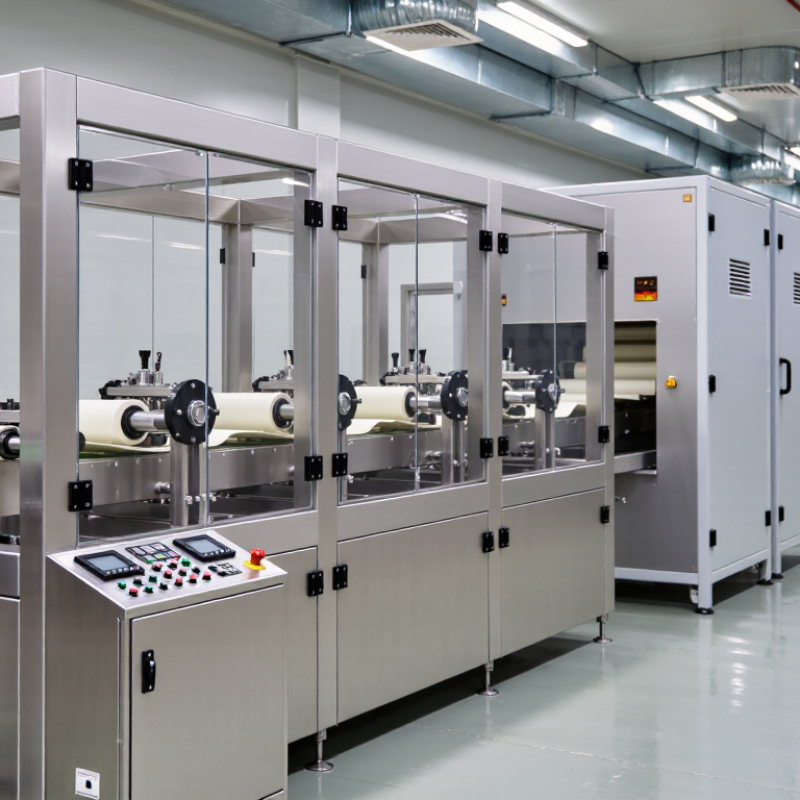
A water-based gel coating machine applies a gel-like coating that uses water as its main carrier. It spreads the material across surfaces such as films, fabrics, paper, or prepared panels. Unlike solvent-heavy systems, it usually produces less solvent odor during operation. That does not mean zero emissions.
The machine commonly includes a mixing tank, pump, metering unit, coating head, drying section, and control panel. The coating head may use a slot die, roller, or knife system. Each method changes the wet-film thickness and surface finish.
Operators must control viscosity, web speed, temperature, and drying airflow. Small changes can create streaks, pinholes, or uneven edges. Clean water and stable material temperature matter more than many new users expect.
In production settings, technicians should test the gel on the actual substrate before full-scale coating. Surface tension can affect adhesion. Drying too quickly may trap moisture beneath the film. Drying too slowly can cause blocking or dust attraction. No machine is perfect. I would also question brochures promising simple operation without discussing cleaning time and waste. A reliable supplier should provide trial data, coating accuracy, maintenance guidance, and operator training. Those details help buyers compare the top 10 water-based gel coating machine suppliers more fairly.
Top 10 Water Based Gel Coating Machine Suppliers
Choosing among water based gel coating machine suppliers requires more than comparing prices. Check coating width, pump accuracy, speed control, and compatible gel viscosity. A reliable machine should maintain a steady film across the full working width. During factory trials, inspect edges, corners, and the first few meters of coated material. Uneven layers often appear before operators notice them. Ask suppliers for measured coating tolerances, not general promises.
Control systems also deserve close attention. Touchscreen settings, recipe storage, alarm records, and automatic cleaning can reduce production errors. Stainless steel contact parts may improve hygiene and service life. Confirm whether the machine supports your substrate, drying temperature, and planned daily output. Spare parts availability matters too. A technically strong machine can still become expensive when support is slow or unclear. I would also examine installation training, warranty terms, and remote troubleshooting procedures.
Tips: Request a live coating sample using your actual gel and substrate. Measure wet thickness at several points. Ask how the supplier handles clogged nozzles, pump wear, and formula changes. Do not rely only on a polished demonstration. A short trial may hide long-run maintenance problems. Review electrical requirements and floor space before signing. It is easy to overlook these details. Supplier references from similar production environments can reveal practical weaknesses, although no reference removes the need for your own testing.
| Rank | Anonymous Supplier | Primary Machine Configuration | Typical Working Width | Typical Output Range | Recommended Viscosity Range | Key Mixing and Pumping Features | Application Control | Cleaning and Maintenance | Best-Fit Applications | Comparison Rating |
|---|---|---|---|---|---|---|---|---|---|---|
| 1 | Supplier 01 | Continuous water-based gel coating line with enclosed coating head | 1,300–2,000 mm | 25–60 kg/h | 500–8,000 mPa·s | Low-shear agitator, stainless-steel supply tank, variable-speed progressive-cavity pump | Servo-driven metering with digital gap adjustment and closed-loop speed control | Quick-release hoses, drainable tank, rinse-water circulation connection | Nonwoven materials, coated textiles, flexible sheet products | ★★★★★ |
| 2 | Supplier 02 | Roll-to-roll gravure and reverse-roll gel coating system | 1,000–1,800 mm | 20–50 kg/h | 300–5,000 mPa·s | Temperature-controlled mixing tank, stainless-steel transfer pump, inline filtration | Adjustable coating gap, roll-speed synchronization, touchscreen recipe storage | Removable doctor blade, inspection access panels, solvent-free water flushing | Films, release liners, decorative sheets, technical fabrics | ★★★★★ |
| 3 | Supplier 03 | Slot-die precision coating machine for uniform thin films | 600–1,600 mm | 10–40 kg/h | 100–3,000 mPa·s | Heated hopper, pulsation-dampened gear pump, fine-mesh filtration unit | Micrometer die-lip adjustment, web-tension control, automatic edge compensation | Tool-free die disassembly, flush ports, stainless-steel wetted components | Battery separators, functional films, medical and hygiene substrates | ★★★★☆ |
| 4 | Supplier 04 | Knife-over-roll and floating-knife coating line | 1,200–2,200 mm | 20–55 kg/h | 1,000–15,000 mPa·s | High-torque slow-speed mixer, insulated tank, diaphragm or piston transfer pump | Manual or motorized knife-gap adjustment with coating-weight sampling point | Wide-opening tank, washable coating tray, replaceable sealing elements | Thick gel layers, upholstery textiles, filtration media, industrial fabrics | ★★★★☆ |
| 5 | Supplier 05 | Compact laboratory and pilot-scale coating machine | 300–800 mm | 1–12 kg/h | 100–10,000 mPa·s | Small-volume heated vessel, variable-speed mixer, interchangeable pump modules | Recipe-based PLC control, adjustable web speed, manual thickness verification | Small-batch design, removable coating head, low-volume rinse requirement | Product development, formulation trials, quality-control laboratories | ★★★★☆ |
| 6 | Supplier 06 | Spray-assisted gel coating machine with reciprocating applicator | 800–1,600 mm | 8–35 kg/h | 50–2,000 mPa·s | Agitated day tank, airless or air-assisted pump, pressure monitoring system | Programmable spray pattern, nozzle-width adjustment, automatic overspray control | Automatic nozzle purge, removable filters, enclosed splash protection | Three-dimensional parts, irregular substrates, molded and formed materials | ★★★★☆ |
| 7 | Supplier 07 | Multi-roll transfer coating line for high-speed web processing | 1,000–2,400 mm | 30–80 kg/h | 200–6,000 mPa·s | Continuous recirculation loop, inline viscosity monitoring, automatic tank level control | Multi-zone tension control, automatic roll synchronization, digital line-speed control | Recirculation cleaning mode, removable filters, scheduled lubrication points | Large-volume textile coating, packaging substrates, industrial laminates | ★★★★☆ |
| 8 | Supplier 08 | Hot-and-cold water-based gel coating system with controlled heating | 700–1,500 mm | 12–38 kg/h | 500–12,000 mPa·s | Jacketed tank, low-shear anchor mixer, insulated delivery lines, temperature sensors | Independent temperature and flow control with programmable coating profiles | Heated rinse cycle, insulated drain lines, accessible pump and valve assemblies | Temperature-sensitive formulations, high-solid gels, specialty coated papers | ★★★★☆ |
| 9 | Supplier 09 | Intermittent sheet-fed gel coating machine | 500–1,200 mm | 5–25 kg/h | 200–7,000 mPa·s | Batch mixing vessel, pneumatic diaphragm pump, programmable material dosing | Registration control, adjustable coating length, touch-panel batch management | Easy-access coating tray, removable pump diaphragm, manual water-flush system | Labels, paperboard, sheets, short-run specialty products | ★★★☆☆ |
| 10 | Supplier 10 | Entry-level modular coating platform with interchangeable heads | 400–1,000 mm | 3–18 kg/h | 100–5,000 mPa·s | Open or enclosed mixing tank, variable-speed peristaltic pump, basic filtration | Manual coating-gap adjustment with inverter-controlled line speed | Simple hose replacement, removable tank, low-cost maintenance components | Small and medium production runs, educational and prototype facilities | ★★★☆☆ |
Note: Supplier identities are intentionally anonymized. Technical figures represent realistic industry comparison ranges for water-based gel coating equipment; actual capacity, viscosity performance, coating width, automation level, and compliance documentation should be confirmed in the supplier’s current quotation and factory acceptance test.
The top ten water-based gel coating machine suppliers are usually judged by engineering depth, testing support, and production consistency. Their equipment should handle stable gel flow across different substrates and coating widths. In real factory trials, I check pump response, scraper control, and drying uniformity. Small defects often appear near the edges.
Reliable suppliers provide process data, maintenance schedules, and clear operating instructions. They should explain suitable viscosity ranges, line speeds, coating thickness, and oven temperatures.
A useful supplier also offers sample testing before purchase. This step reveals whether the machine creates bubbles, streaks, or uneven curing. Ask for material-contact specifications too. Stainless steel quality matters.
Cost is important, but spare parts and technical response can matter more.
A low quotation may hide expensive downtime. The best suppliers usually support commissioning, operator training, and remote troubleshooting. However, no supplier gets everything right. Some technical documents may feel incomplete, especially for customized lines.
I would request drawings, factory references, and performance records before signing. Independent inspection remains sensible. Supplier rankings can guide research, but actual coating trials should influence the final decision.
Water-based gel coating machines serve industries where surface protection, appearance, and controlled emissions matter. Composite manufacturers use them for panels, tubs, tanks, pipes, and molded architectural parts. Marine workshops apply water-based gel coats to fiberglass hull interiors and deck components. Sanitaryware plants also coat shower bases and bathroom fixtures, where a smooth, cleanable surface is essential. The machinery supports metered spraying, even film thickness, and reduced manual handling.
According to MarketsandMarkets, the global water-based coatings market was valued at approximately USD 76.5 billion in 2023 and may reach USD 105.8 billion by 2028. This growth reflects wider demand for lower-emission coating systems. It does not mean every water-based gel coat fits every production line. Viscosity, curing speed, humidity, and substrate temperature still control performance. Small errors show quickly.
Automotive component suppliers use these machines for selected interior and exterior composite parts. Construction manufacturers apply them to decorative panels and molded surfaces. In practice, operators often adjust nozzle pressure after observing the first few passes. That hands-on step remains important. The International Energy Agency reports that industry accounts for about 37% of global final energy use, increasing pressure to improve process efficiency. A well-calibrated machine can reduce overspray, material waste, and cleaning time, although actual savings depend on maintenance and operator training. Research from coatings industry analysts supports continued adoption, but field trials should guide equipment selection.
Top 10 Water Based Gel Coating Machine Suppliers
Choosing a water based gel coating machine supplier requires more than comparing online rankings. Your coating material, substrate, line speed, and drying capacity must fit the machine design. Ask suppliers for documented results using similar materials. A live coating trial is valuable. It reveals streaks, uneven thickness, foaming, and cleaning difficulty before purchase. Small details matter.
Check the supplier’s engineering experience. Review machine drawings, coating-width tolerance, pump control, heating stability, and operator safety features. Request maintenance schedules and replacement-part lists in writing. Reliable suppliers explain limitations instead of promising perfect performance. Their technical team should understand viscosity changes, surface tension, and water evaporation. These factors affect production consistency.
Speak with comparable users, not only selected references. Ask how quickly problems were solved after installation. Confirm training, commissioning support, warranty terms, and response times across different regions. Calculate the full operating cost, including energy, filters, cleaning labor, and rejected material. The lowest quotation may become expensive later. I have seen attractive machines struggle with simple viscosity changes. That experience is easy to overlook. Request a controlled factory acceptance test, record the results, and compare them with your own production targets. Allow room for improvement. No trial perfectly represents every factory condition.
Use these measurable criteria to compare suppliers according to your production needs. The weighting model emphasizes coating consistency, throughput, operating cost, and after-sales support.
Evaluation benchmark: recommended purchasing weightings for water-based gel coating equipment. Adjust the percentages to match your product, line speed, substrate, and quality requirements.
WhatsApp us