Surya masterbatch refers to a concentrated blend used to add colour or performance properties to plastic products. It usually combines pigments or additives with a compatible polymer carrier. This concentrated form helps manufacturers achieve more consistent results than loose powders. The material is commonly used in films, pipes, packaging, injection-moulded parts, and household products.
Its use begins with material selection. A processor must match the masterbatch with the base resin, such as polyethylene, polypropylene, or ABS. The chosen product is then metered into the polymer during extrusion or moulding. Accurate dosing is important. A small change in dosage can affect shade, opacity, strength, or surface appearance. For example, a coloured film may show streaks if dispersion is poor or mixing is uneven.
Good practice depends on technical evidence, not assumptions. Buyers should review the supplier’s technical data sheet, recommended dosage, carrier type, heat resistance, and storage guidance. Application testing remains necessary, especially when the product will face sunlight, moisture, friction, or food-contact requirements. Not every surya masterbatch grade suits every resin or process.
The term may sound simple. The details are not.
This guide explains how masterbatch works, where it is applied, and which factors influence performance. It also recognises a practical limitation: colour approval in a laboratory may not perfectly match production results. Equipment, temperature, residence time, and recycled content can all change the outcome. Reliable decisions come from controlled trials, documented specifications, and communication between suppliers and processors.
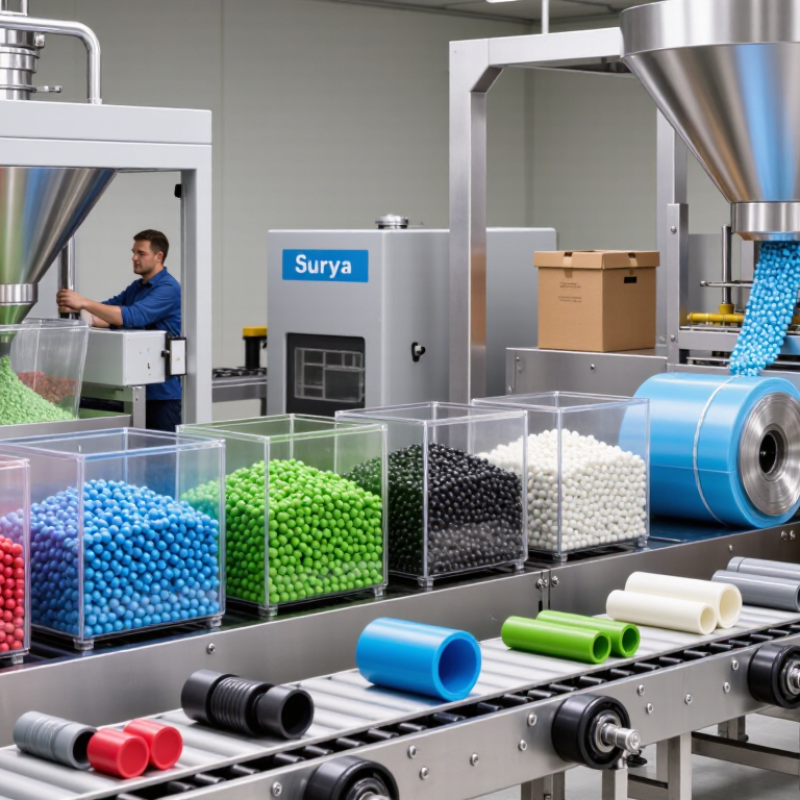
Surya masterbatch is a concentrated blend used to add colour or performance to plastic products. It usually contains pigments, additives, and a compatible carrier resin. During processing, manufacturers mix a measured amount with a base polymer. Heat and shear then disperse the concentrate through the melt. The result may appear in films, injection-moulded parts, pipes, packaging, or household goods. The exact formula matters. A concentrate designed for polyethylene may perform poorly in polypropylene.
The market is significant. PlasticsEurope reported global plastics production of about 400.3 million tonnes in 2022. Grand View Research valued the global masterbatch market at approximately USD 12.4 billion in 2023 and projects continued growth through 2030. These figures show why controlled dosing is important. A small error can change shade, surface gloss, opacity, or mechanical strength. Production teams typically check let-down ratio, dispersion, moisture, and processing temperature before full-scale manufacturing.
Surya masterbatch may also support functions such as ultraviolet resistance, slip, antiblocking, or flame performance, depending on its formulation. It is not a magic fix. Poor pigment dispersion can create streaks or weak spots. In practical trials, operators should compare colour under standard lighting and test finished parts, not only pellets. I would also question broad claims about universal compatibility. Resin grade, screw design, and recycling history can alter the result.
Masterbatch is a concentrated blend used to color or modify plastic products. Its main components are pigment, carrier resin, and functional additives. The carrier resin must match the final polymer, such as polyethylene, polypropylene, PET, or ABS. A poor match can cause specks, weak bonding, or uneven color.
Pigments provide shade and opacity. Organic pigments often create bright colors, while inorganic pigments can offer stronger heat and weather resistance. Dispersing agents help distribute pigment through the carrier. Waxes may improve flow during extrusion. Stabilizers can protect the plastic from heat, ultraviolet exposure, or oxidation. The exact recipe is not universal.
It depends on processing conditions.
PlasticsEurope reported global plastics production of 400.3 million tonnes in 2022. This scale increases demand for consistent concentrates and efficient dosing. The OECD’s Global Plastics Outlook also reported 353 million tonnes of plastic waste in 2019. These figures strengthen the case for accurate formulation and reduced material loss. Recycled carrier resins can lower environmental impact, but they may introduce moisture, odor, or color variation. That point deserves more attention. In practice, technicians should check melt flow, moisture, pigment loading, and compatibility before production. Independent testing remains essential, even when a formulation appears stable in small trials.
| Data Dimension | Typical Information | Practical Purpose |
|---|---|---|
| Definition | Masterbatch is a concentrated mixture of pigments, dyes, additives, and a polymer carrier resin. | It allows processors to introduce color or specific performance properties into plastic products in a controlled way. |
| Main Product Types | Color masterbatch, white masterbatch, black masterbatch, additive masterbatch, and combination masterbatch. | Different types provide coloration, opacity, UV protection, processing assistance, or several functions at the same time. |
| Polymer Carrier | Common carriers include polyethylene (PE), polypropylene (PP), polystyrene (PS), acrylonitrile butadiene styrene (ABS), polyethylene terephthalate (PET), and engineering thermoplastics. | The carrier helps disperse the concentrated ingredients and should be compatible with the base plastic being processed. |
| Coloring Components | Organic pigments, inorganic pigments, carbon black, titanium dioxide, and, where appropriate, soluble dyes. | These components create the required shade, opacity, tinting strength, and visual consistency. |
| Functional Additives | UV stabilizers, antioxidants, flame retardants, slip agents, antiblock agents, antistatic agents, optical brighteners, and nucleating agents. | They modify properties such as weatherability, oxidation resistance, surface friction, static behavior, flame response, and processing performance. |
| Dispersing and Processing Aids | Waxes, polymeric dispersants, lubricants, or other compatible processing aids may be included. | They improve pigment distribution, melt flow, feeding behavior, and surface quality. |
| Manufacturing Method | The ingredients are commonly compounded through melt mixing and extrusion, followed by cooling, pelletizing, and quality testing. | This process produces uniform pellets that can be metered into thermoplastic production equipment. |
| Typical Addition Method | Pellets are blended with natural or recycled polymer granules before or during extrusion, injection molding, blow molding, film production, or rotational molding. | The concentrated material is distributed through the polymer melt during processing. |
| Common Let-Down Range | Many products are used at approximately 1%–5% by weight, although the correct dosage depends on pigment strength, color target, additive concentration, and application requirements. | The dosage should be established through trials and confirmed using color, mechanical, and processing tests. |
| Compatible Processing Technologies | Film extrusion, sheet extrusion, pipe extrusion, injection molding, blow molding, fiber spinning, and rotational molding. | The selected masterbatch must match the processing temperature, shear conditions, residence time, and polymer type. |
| Key Performance Requirements | Color strength, dispersion, heat stability, lightfastness, migration resistance, moisture control, and compatibility with the base resin. | These factors influence appearance, durability, product safety, production efficiency, and finished-part performance. |
| Typical Applications | Packaging films, containers, caps, household products, agricultural films, pipes, automotive parts, electrical components, fibers, and consumer goods. | Masterbatch provides an efficient method for producing consistently colored or performance-enhanced plastic products. |
| Advantages | Accurate dosing, lower dust generation than loose powders, easier handling, reduced storage complexity, and consistent dispersion when properly formulated. | These benefits can support cleaner production and more repeatable product quality. |
| Storage Considerations | Store pellets in sealed packaging in a cool, dry, and clean area, protected from moisture, direct sunlight, and contamination. | Proper storage helps maintain pellet flow, additive stability, and consistent processing behavior. |
| Selection Checklist | Confirm carrier compatibility, processing temperature, required dosage, color or additive target, regulatory needs, recycled-content suitability, and required finished-product performance. | A technical trial is recommended before full-scale production to verify appearance, dispersion, and physical properties. |
Surya masterbatch is a concentrated blend of pigments or additives in a polymer carrier. Manufacturers use it to color or improve plastic products during processing. The manufacturing process begins with selecting a compatible carrier resin, pigment, and additive package. Compatibility matters because poor selection can cause streaks, weak dispersion, or unstable processing.
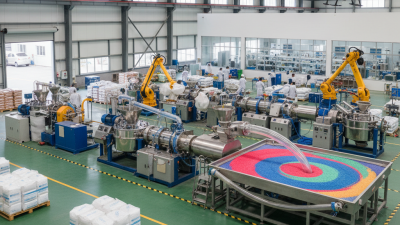
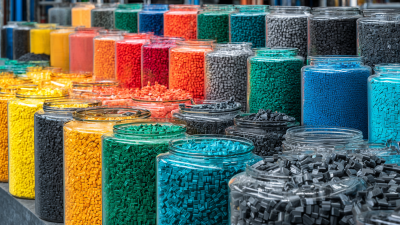
Technicians weigh each ingredient carefully before pre-mixing the materials. The blend then enters a twin-screw extruder, where heat and shear distribute the color evenly. Temperatures must remain controlled. Excessive heat can damage sensitive pigments or additives. After extrusion, the molten strand passes through a cooling bath and becomes solid. A pelletizer cuts it into uniform granules. Quality teams check color strength, moisture, dispersion, and pellet size before release. No batch is automatically perfect. Small variations in resin or moisture can still affect the final result, so testing remains essential.
Tips: Store masterbatch in sealed, dry packaging. Confirm the recommended dosage with trial runs. Begin with a small production sample. Check the finished plastic under natural and factory lighting. A color that looks correct indoors may appear different outdoors. Keep processing temperatures consistent, and clean the equipment between strongly contrasting colors. That step is easy to overlook.
Surya masterbatch is a concentrated blend of pigments, additives, and carrier resin. It is added during plastic processing to create consistent colour or improve performance. In extrusion, operators feed pellets through a calibrated dosing unit. The concentrate then mixes with the base polymer inside the heated barrel. A typical starting dosage is 1–4%, but the correct level depends on colour strength, resin type, and product thickness. Too much can increase cost or affect impact strength.
Processing conditions matter. Operators should match the carrier resin with the main polymer whenever possible. They also need to control melt temperature, screw speed, and residence time. A colour sample from the first stable production run helps confirm dispersion. Thin film may expose streaks that thick moulded parts hide. This detail is easy to miss. Moisture, poor feeding, or an unsuitable filter can create visible defects.
The scale of plastic manufacturing makes process control important. Plastics Europe reported global plastics production of about 414 million tonnes in 2023. The OECD estimated 353 million tonnes of plastic waste in 2019. These figures reinforce the need to reduce rejected parts and unnecessary material use. Recycled polymers can require extra testing because shade, contamination, and melt flow may vary. I would not approve a formulation from colour alone. Tensile strength, odour, migration, and recyclability checks still matter.
References: Plastics Europe, Plastics—The Fast Facts 2024; OECD, Global Plastics Outlook, 2022.
Masterbatch is a concentrated blend of pigments or additives carried in a polymer resin. It is mixed with base plastic during processing. This method gives manufacturers better control than adding loose powders. It also reduces dust in production areas. A well-designed masterbatch can improve color consistency, opacity, UV resistance, or surface performance. The exact benefit depends on the carrier resin, dosage, and processing temperature.
Its applications cover many plastic products. Packaging films may use color masterbatch for stronger shelf appeal and consistent branding. Agricultural films can include UV stabilizers for longer outdoor service. Household containers, pipes, caps, and automotive parts may need improved appearance or resistance. Black masterbatch is often used in pipes and technical components because it can provide deep color and useful light protection. Recycled polymers can also receive color correction, although results may vary.
Small trials matter. A practical test should check dispersion, melt flow, shade, mechanical strength, and odor. Poor compatibility can create streaks, weak weld lines, or blocked filters. Overdosing may raise costs and change the final product’s texture. Under-dosing may produce uneven color. These details are easy to underestimate. Processing equipment also affects performance, so laboratory results may not fully match factory output. Selecting the correct carrier and additive package requires technical review, not guesswork.
WhatsApp us