Why Is a Backup Generator Important for Your Business?
A Backup Generator is more than a machine parked behind your building. It protects essential operations when storms, grid failures, or damaged utility lines interrupt commercial power. Power fails. The consequences can begin immediately. Refrigerated stock may warm, security systems may stop, and employees may lose access to critical software. In a busy clinic, factory, or retail store, even a short outage can disrupt customer service and damage hard-earned trust.
Experienced facility managers treat backup power as part of a wider continuity plan. They assess essential loads, including servers, alarms, lighting, pumps, and temperature-controlled equipment. A qualified technician should calculate capacity carefully, because an undersized unit may overload while an oversized unit can waste fuel and money. Installation, ventilation, transfer switches, and electrical connections also require professional attention. Manufacturer guidance and applicable safety requirements should remain central.
A generator is not a magic shield. Fuel can degrade, batteries can fail, and neglected equipment may refuse to start during an emergency. That uncomfortable possibility deserves honest planning. Regular inspections, recorded test runs, and scheduled servicing make reliability measurable rather than assumed. Businesses should also review fuel storage, noise limits, staff training, and safe shutdown procedures. These details may seem ordinary. They often decide whether operations continue smoothly or stop at the worst moment. Choosing and maintaining the right Backup Generator can turn an uncertain outage into a controlled, manageable event.
What Is a Backup Generator and How Does It Work?
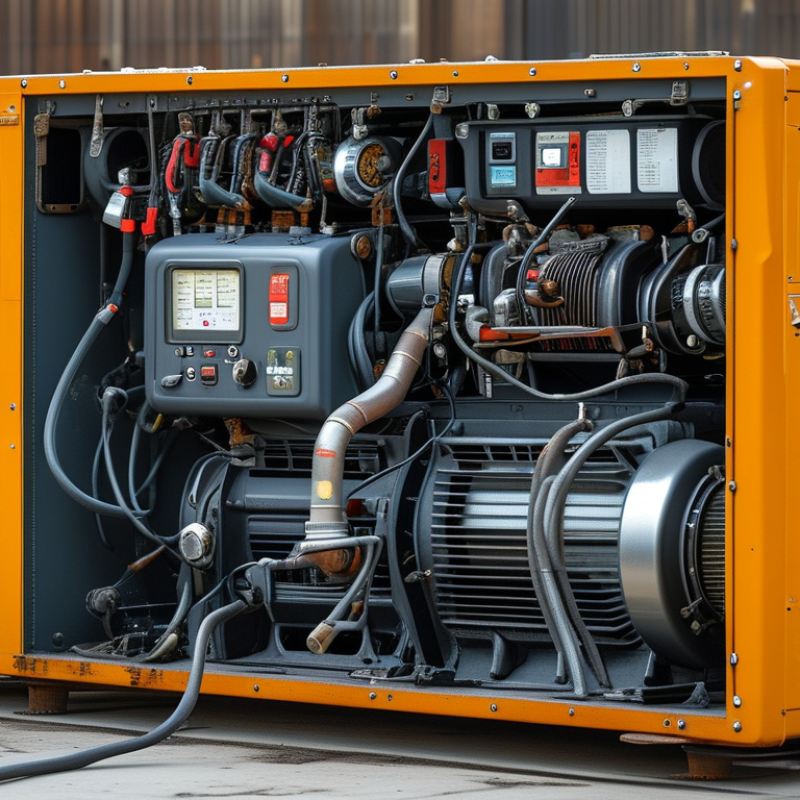
A backup generator is a secondary power system that operates when the main electricity supply fails. It usually includes an engine, an alternator, a fuel system, and a control panel. The engine burns fuel to create mechanical energy. The alternator then changes that energy into electrical power for selected business equipment.
In a typical installation, an automatic transfer switch monitors incoming utility power. When voltage drops or disappears, the switch signals the generator to start. After a short delay, it disconnects the building from the grid and transfers the load to the generator. When utility power returns, the switch reverses the process and allows the generator to cool down before stopping.
The process sounds simple, but real performance depends on correct sizing and maintenance. A small office may need power for servers, lights, security systems, and refrigeration. Starting motors can demand more electricity than their normal running load. I have seen businesses underestimate this detail and experience repeated shutdowns. That mistake is costly.
Fuel quality, battery condition, ventilation, and exhaust clearance also affect reliability. Regular testing can reveal weak connections or delayed starting before an emergency occurs. A monthly test is useful, although it cannot replace professional inspections. Weather, noise, and installation space also deserve attention. The generator protects operations, but only when the entire system is prepared to work.
Why Does Reliable Power Matter to Business Operations?
Why Is a Backup Generator Important for Your Business?
Reliable power keeps daily operations moving when the utility supply fails. A dark showroom can lose sales within minutes. A silent refrigeration unit can spoil inventory overnight. Servers, security systems, payment terminals, and ventilation equipment also need stable electricity.
The U.S. Energy Information Administration reported approximately 5.5 hours of electricity interruptions per customer in 2023, excluding major events. The U.S. Department of Energy estimates that power interruptions cost the American economy between $28 billion and $169 billion annually. These figures show the operational risk clearly. A properly sized backup generator can start essential loads automatically, protect critical equipment, and give staff time to respond safely. It cannot solve every problem. Fuel may run low, maintenance may be missed, and poor installation can create new risks. That deserves honest attention.
Tips: List essential circuits before purchasing equipment. Include refrigeration, network hardware, alarms, pumps, and emergency lighting. Test the generator under realistic load conditions each month. Schedule professional servicing, inspect fuel quality, and record every test. Keep clearance around the unit. Review the plan with employees, because a generator nobody understands is only expensive metal. Use transfer equipment that prevents unsafe backfeeding. Check local electrical and environmental requirements before installation.
Which Business Risks Can a Backup Generator Reduce?
A power outage can stop more than lights. It can interrupt payment systems, refrigeration, security equipment, and internet access. For a retailer, a dark checkout area may mean lost sales within minutes. For a warehouse, stopped conveyors can delay shipments and damage temperature-sensitive goods. Not every outage is brief.
A backup generator reduces these risks by supplying temporary electricity to essential circuits. It can keep servers running, preserve product temperatures, and support emergency lighting. This continuity helps employees work safely and gives customers a more reliable service experience. It may also reduce data loss when computers shut down unexpectedly. In facility reviews, transfer time and fuel capacity often matter as much as generator size. A powerful unit is useless if it starts too slowly.
The generator does not remove every business risk. Fuel can degrade, batteries can fail, and poor wiring can create dangerous conditions. Regular load testing, scheduled maintenance, and clear operating procedures are necessary. Staff should know which equipment receives backup power. They should also understand when manual shutdown is safer. A neglected generator can create false confidence. That is a hard lesson. Business owners should review outage records, equipment needs, and local installation requirements before selecting a system. Even then, unexpected problems may appear during a real emergency. Testing under realistic conditions can reveal weak points before customers notice them.
How Should Businesses Choose the Right Generator?
Why Is a Backup Generator Important for Your Business?
How Should Businesses Choose the Right Generator?
Choosing a generator starts with the loads your business cannot lose. List refrigeration, servers, pumps, lighting, security systems, and essential machinery. Check both running watts and starting watts. Motors can briefly demand two or three times more power. A simple load estimate may be wrong. Ask a licensed electrician to verify it.
Runtime matters during real outages. A small fuel tank may keep equipment running for only a few hours. Compare fuel consumption, refill access, noise levels, and ventilation requirements. Diesel, natural gas, and propane each create different storage and supply concerns. Test the automatic transfer switch under controlled conditions. It should move critical circuits safely when utility power fails.
Think beyond the purchase price. Choose equipment with accessible service points, clear alarms, and documented maintenance intervals. In my experience, neglected batteries cause many failed starts. Schedule inspections, exercise the generator regularly, and record each test. Dust, heat, flooding, and salt air can shorten service life. Place the unit where technicians can reach it easily.
A perfect choice rarely exists. Oversizing wastes fuel, while undersizing causes overloads and premature wear. Review future expansion, local electrical rules, emissions requirements, and emergency procedures before signing a contract. A reliable generator is part of a tested power plan, not a machine left waiting in a corner.
What Maintenance Keeps a Backup Generator Ready?
A backup generator protects business continuity when storms, grid faults, or utility maintenance interrupt power. Uptime Institute’s 2024 Annual Outage Analysis reported that 54% of outages caused at least $100,000 in direct or indirect losses. However, a generator is not automatically reliable. Readiness depends on disciplined maintenance, accurate records, and realistic testing.
Follow the maintenance instructions for the specific engine and transfer switch. Inspect oil level, coolant, battery terminals, belts, hoses, exhaust routes, and fuel leaks every week. NFPA 110 recommends monthly exercising of emergency power systems under load for at least 30 minutes. A no-load start is useful, but it can hide cooling, fuel, and transfer problems. Test the automatic transfer switch, too. Fuel quality also deserves attention. Water and microbial growth can damage diesel systems. Annual fuel testing and scheduled polishing may be necessary, depending on storage conditions. Maintenance plans often look complete on paper. They are not always complete in practice.
Tips: Keep the room clean and ventilated. Record starting time, voltage, frequency, transfer time, alarms, and shutdown condition after every test. Arrange professional inspections annually, including battery capacity checks and load-bank testing when site loads are insufficient. Replace aging batteries before failure becomes obvious. Review service intervals after dusty weather or long outages. A missed inspection can be more expensive than the repair.