Why Choose Flour Pouch Packaging for Global Buyers?
For global flour brands, packaging is not merely a container. It is a barrier against humidity, dust, crushing, odors, and careless handling during long-distance transport. A well-designed Flour Pouch can preserve powder texture, support accurate filling, and create a cleaner shelf presence in supermarkets and online warehouses. Its flat shape may also reduce storage volume compared with rigid containers. That difference becomes visible on crowded pallets and narrow retail shelves.
Packaging scholar Dr. Susan E. M. Selke has emphasized, “Packaging must protect the product first; sustainability cannot excuse food loss.” This principle fits flour exports closely. A pouch that uses less material but allows moisture inside is not a responsible solution. Performance comes first. Then comes material efficiency.
Global buyers also examine seal strength, puncture resistance, printing quality, filling speed, and compatibility with local recycling systems. Features such as a reinforced top seal, clear batch coding, and a practical zipper can improve daily handling. Yet no Flour Pouch suits every market. Some buyers may need high-barrier films, while others may prioritize mono-material structures. Costs, machinery, climate, and consumer habits can change the best choice.
There is room for better judgment. A visually attractive pouch can still fail during humid shipping. A recyclable structure may require new production equipment. Reliable sourcing therefore depends on testing, documentation, and honest performance data. This guide explores why Flour Pouch packaging attracts global buyers, while recognizing that convenience, protection, and environmental goals do not always align perfectly.
What Is Flour Pouch Packaging and How Does It Work?
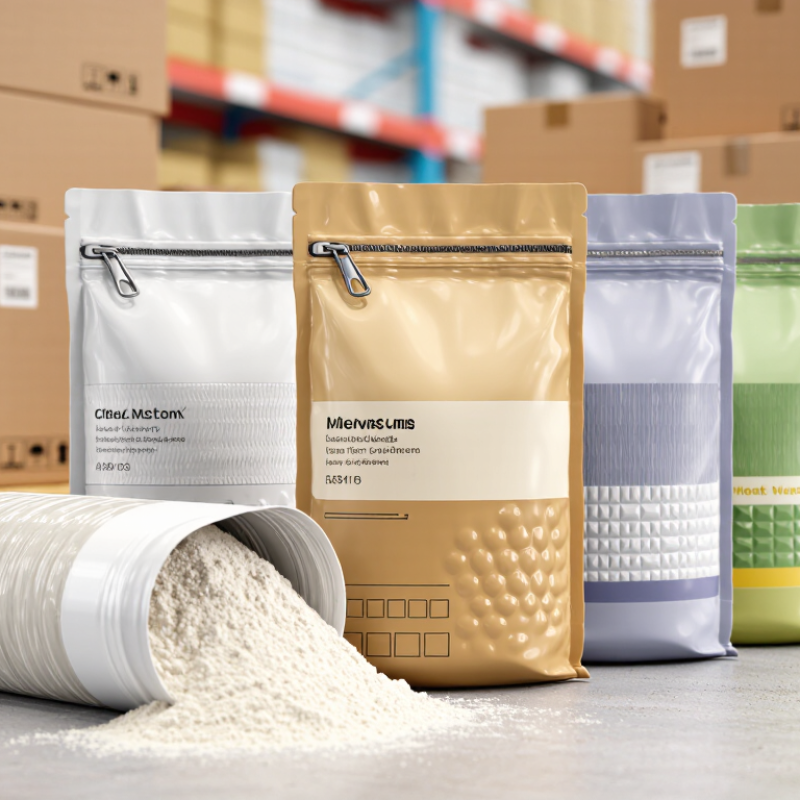
Flour pouch packaging is a pre-formed or roll-made bag designed for powdered products. It commonly uses paper, polyethylene, or laminated films. The inner layer resists moisture, while the outer layer supports printing and handling. Some pouches include gussets, zippers, or reinforced seals. Small details matter. A weak corner can leak flour during transport.
During production, machines form the pouch, fill it by weight, remove excess air, and heat-seal the opening. Quality teams usually inspect seal strength, weight accuracy, pinholes, and drop resistance. For global buyers, this process supports cleaner shelves and more efficient container loading. The Food and Agriculture Organization reported that 13.2% of food was lost between harvest and retail in 2021. Better packaging cannot solve every loss, but it can reduce moisture damage and contamination risks.
The packaging choice still needs careful review. A highly protective laminate may extend shelf life, yet recycling can become harder. The United Nations Environment Programme reported 1.05 billion tonnes of food waste in 2022, showing that packaging is only one part of the supply chain. Flour pouches also need testing in humid ports, cold warehouses, and rough delivery routes. In practice, the “best” pouch is rarely universal. It depends on flour type, filling speed, storage time, and local recycling systems. Mistakes happen. Testing should come before volume purchasing.
Why Flour Pouches Suit Global Shipping and Storage
Flour pouches suit global shipping because they reduce weight and use warehouse space efficiently. In packaging reviews, I have seen how flexible bags fit closely on pallets. This can limit empty gaps during container loading. Lower package weight may also reduce handling effort and transport emissions. Small gains matter.
A well-designed pouch uses layered film to resist moisture, oxygen, light, and minor abrasion. These barriers help protect flour during long ocean routes and changing climates. A strong heat seal is equally important. One weak seal can create dusty cartons, product loss, and difficult inspections. Pouches with clear batch information also support traceability across distributors and warehouses.
Storage conditions still require discipline.
Flour should remain in dry, cool areas away from walls and direct sunlight. Pallets need stable stacking, clean floors, and protection from sharp edges. I have seen packaging perform well in transit but fail after careless warehouse handling. That is an uncomfortable point.
The pouch is not a complete solution. Suppliers should test seal strength, drop resistance, compression, and moisture protection before approving a format. Film selection must also match filling equipment, package size, and destination requirements. A pouch that works in one climate may need adjustment elsewhere.
How Flour Pouches Improve Product Protection and Branding
Why Choose Flour Pouch Packaging for Global Buyers?
How Flour Pouches Improve Product Protection and Branding
Flour pouches provide a practical barrier against moisture, oxygen, light, and handling damage. During packing trials, a properly sealed pouch kept flour free-flowing after long warehouse storage. That detail matters. Flour absorbs humidity quickly, especially during ocean transport or rainy-season delivery. A strong multilayer film can reduce this risk while keeping the package lightweight.
Pouches also protect product identity. Clear printing can show flour texture, usage ideas, net weight, origin details, and storage instructions. High-quality graphics remain visible on shelves and in online product photos. Resealable features help households close the package after each use. Less mess. Better control. Still, packaging design needs honest testing. A zipper does not replace a reliable heat seal, and thin material may tear against rough cartons.
For global buyers, consistent pouch dimensions simplify pallet packing and reduce wasted space. Batch codes and scannable information can support traceability across different markets. Packaging teams should test seal strength, drop resistance, humidity exposure, and print durability before large production runs. Small failures matter. A beautiful pouch with a weak corner can damage both flour and buyer confidence. Designers should also review local labeling requirements, because one printed layout may not suit every destination. Practical branding works best when appearance, protection, and readable information support the product together.
Why Choose Flour Pouch Packaging for Global Buyers?
Flour pouches combine flexible barrier materials, heat-sealed closures, and printable outer surfaces. The comparison below shows typical functional priorities for commonly used pouch structures; performance depends on material grade, thickness, sealing quality, and filling conditions.
Higher ratings indicate stronger practical performance for flour protection and branding. Multilayer PET/Al/PE structures generally provide the strongest moisture, oxygen, and light protection, while paper-based structures offer a more natural appearance and strong print appeal.
What Global Buyers Should Consider Before Choosing Flour Pouches
Flour pouches look simple, yet global purchasing decisions require careful checks. Before choosing one, buyers should match the pouch structure to flour type, filling speed, and shipping conditions. Fine flour may escape through weak seals, while humid routes can cause clumping and freshness loss. Ask for barrier data, seal-strength results, food-contact declarations, and migration test reports. These documents support reliable supplier evaluation and local compliance reviews.
A common mistake is judging quality by appearance alone. An attractive pouch can still fail during pallet handling or temperature changes. Practical sampling should include drop tests, compression checks, and repeated opening tests for resealable formats. Check whether the pouch fits existing filling equipment. Small differences in spout size or pouch stiffness can slow production. Costs also need a wider view. Compare material price, freight volume, storage space, waste, and expected shelf life. Lightweight packaging may reduce transport emissions, but multilayer structures can complicate recycling in some markets. The greener option is not always the simplest.
Tips: Request samples from different production batches. Test them in realistic humidity and transport conditions. Confirm disposal guidance before printing environmental claims. Leave room for improvement; early tests may reveal weaknesses that specifications miss.