How to Find the Best China Plastic Compound Supplier?
China is a major force in plastics manufacturing. The right plastic compound supplier can improve product consistency, cost control, and production stability.
Plastics Europe’s Plastics—The Fast Facts 2024 reports global plastics production of 413.8 million tonnes in 2023. China represented roughly one-third of this output. That scale creates strong sourcing opportunities. It also creates uneven supplier quality. Large capacity does not automatically mean reliable compounding.
A practical review should begin with technical evidence. Ask for batch records, formulation control procedures, and independent laboratory results. A shiny pellet sample proves very little. Melt-flow testing, tensile results, impact strength, ash content, and color consistency matter more. Request samples from different production batches. Compare them under identical processing conditions.
Supplier experience matters. Look for ISO 9001 systems, traceable raw materials, and clear change-control procedures. Environmental and chemical compliance should match your target markets. Relevant documentation may include REACH, RoHS, food-contact, or automotive approvals, where applicable. Confirm the exact grade, not merely the certificate.
Industry reports often show continued growth in specialty and engineered plastics. Grand View Research identifies automotive, electronics, packaging, and construction as important demand sectors for plastic compounding. These sectors need different performance priorities. One supplier may excel in glass-fiber reinforcement but perform poorly with flame-retardant compounds.
Visit the factory if possible. Watch pelletizing, drying, storage, and packaging. Ask how rejected batches are handled. Ask uncomfortable questions. No shortlist is perfect. A cheaper quote can become expensive after moisture defects, inconsistent color, or delayed technical support appear. The best China plastic compound supplier is not simply the lowest-cost producer. It is the partner that can prove repeatable quality, responsive communication, and realistic delivery performance.
Define Resin, Filler, and MFR Targets at 190°C/2.16 kg Under ISO 1133
How to Find the Best China Plastic Compound Supplier?
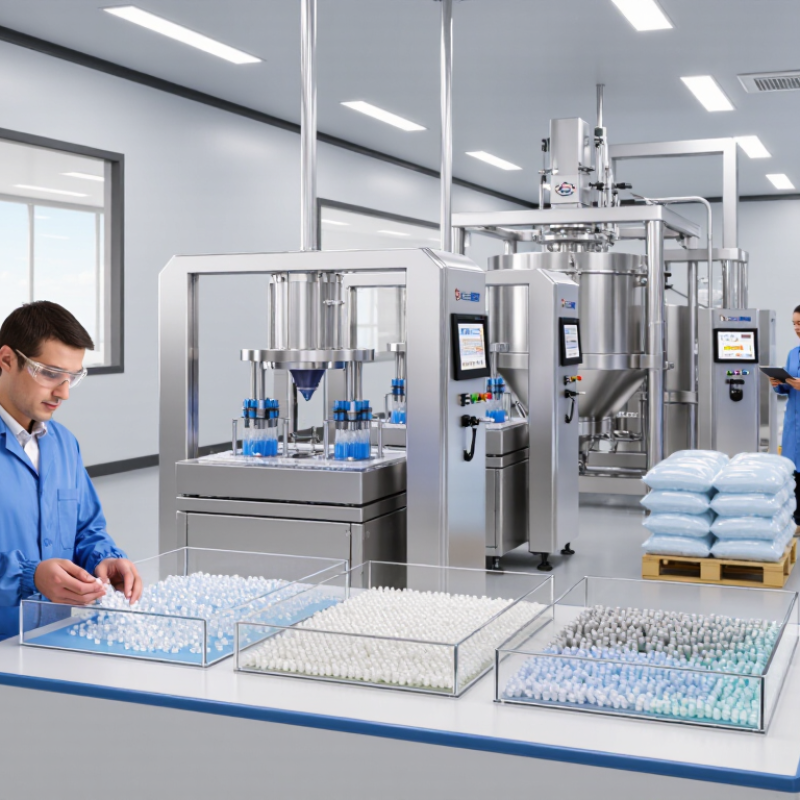
A reliable supplier should define the resin grade, filler type, filler loading, and MFR target before quoting. For example, specify polypropylene with 20% calcium carbonate, not simply “filled PP.” Measure MFR at 190°C and 2.16 kg under ISO 1133. Report the result in g/10 min, including conditioning time and test direction. A practical target might be 8.0 ± 1.0 g/10 min, but the correct range depends on molding speed, wall thickness, and part design.
Ask for three recent batch records, not one perfect sample. Compare ash content, moisture, density, tensile strength, and MFR stability. The OECD Global Plastics Outlook reported that only 9% of plastic waste was recycled globally in 2019, so recycled resin needs stronger traceability. Request the recycled content percentage, contamination controls, and incoming-resin records. ISO testing improves comparability, but it does not remove sampling errors. Small details matter.
Inspect the factory’s feeder calibration and drying controls. Check whether technicians repeat MFR tests when results drift. I would also run an independent confirmation test before approving mass production. That costs more. It can prevent costly molding problems later. A supplier promising an exact MFR without process tolerance deserves careful questioning. Statistics from the PlasticsEurope market report show global plastics production exceeded 400 million tonnes in 2022, yet volume alone does not prove compound consistency.
Screen Suppliers Against ISO 9001 and RoHS’s 10 Restricted Substances
How to Find the Best China Plastic Compound Supplier?
Screen Suppliers Against ISO 9001 and RoHS’s 10 Restricted Substances
A reliable supplier should provide a current ISO 9001 certificate with a matching legal entity, factory address, and certification scope. Check the expiry date. Then verify whether the certificate covers compounding, testing, and production control. ISO 9001 shows a quality management system, not automatic material compliance. Ask for documented procedures covering incoming resin, pigment dosing, moisture control, and batch release.
RoHS screening must cover all ten restricted substances: lead, mercury, cadmium, hexavalent chromium, PBB, PBDE, DEHP, BBP, DBP, and DIBP. Request recent test reports for the exact compound grade, not a similar product. The report should identify the laboratory, test methods, sample number, and detection limits. A supplier’s declaration helps, but independent laboratory results provide stronger evidence. Ask how the supplier prevents contamination from recycled feedstock, colorants, or shared equipment.
Traceability matters. Each bag should link to a batch record, production date, raw material lots, and test results. Review the supplier’s change-control process before approving samples. A formula change may affect RoHS results, flame performance, or dimensional stability. I have seen purchasing teams trust certificates too quickly. That shortcut creates avoidable risk. Visit the factory when possible, and compare production records with delivered labels. Also request a corrective-action report for failed batches. Honest answers are valuable, though no supplier’s system is perfect. Even strong procedures need periodic verification.
How to Find the Best China Plastic Compound Supplier?
Screen Suppliers Against ISO 9001 and RoHS’s 10 Restricted Substances
Use this chart as a screening reference when reviewing plastic compound suppliers. The values show the EU RoHS maximum concentration limits in homogeneous materials: 0.1% or 1,000 ppm for most substances and 0.01% or 100 ppm for cadmium. In addition to laboratory evidence for these limits, verify that the supplier maintains a valid ISO 9001 quality management system, documented process controls, traceability, corrective-action procedures, and up-to-date material declarations. RoHS exemptions, where applicable, must be checked separately.
Verify Tensile, Impact, and UL 94 V-0 Performance by Test Thickness
How to Find the Best China Plastic Compound Supplier?
A reliable supplier should verify tensile strength, impact resistance, and UL 94 V-0 performance at the actual test thickness. A thin plaque may pass flame testing, while a thicker molded part behaves differently. Request reports showing specimen thickness, conditioning time, test method, and production lot. Do not accept a single number without context. It can mislead.
Tensile data should match your processing direction and application stress. Impact results need the correct temperature, notch condition, and specimen type. UL 94 V-0 claims also require careful review of the tested thickness and flame exposure procedure. Ask for independent laboratory records when the project carries safety risks. Compare results from several lots, not only a perfect sample. A supplier may provide excellent data once, but stable performance matters more.
Tips: Send the supplier your intended part thickness and molding conditions before sampling. Request plaques at multiple thicknesses, such as 1.5, 3.0, and 6.0 millimeters. Check whether color, glass fiber, moisture, or recycled content changes the results. Keep retained samples for later comparison. One overlooked detail can change the outcome. I would also question unusually precise results; real production usually shows some variation. Reliability comes from transparent testing, traceable batches, and practical communication.
| Sample ID |
Generic Compound Type |
Test Thickness |
Tensile Performance |
Impact Performance |
UL 94 Vertical Burning Performance |
Overall Screening Result |
Specimen
(mm) |
UL 94 Bar
(mm) |
Strength at Break
(MPa) |
Elongation at Break
(%) |
Notched Izod
(kJ/m²) |
Test Method |
Rating |
Average Afterflame
t1 + t2 (s) |
Maximum Single
Afterflame (s) |
Cotton Ignition |
| CP-01 |
Glass-Fiber-Reinforced PA 6, Flame Retardant |
1.5 |
1.5 |
118 |
3.2 |
7.5 |
ISO 180-1A |
V-0 |
5 |
8 |
No |
Pass |
| CP-01 |
Glass-Fiber-Reinforced PA 6, Flame Retardant |
3.0 |
3.0 |
121 |
3.0 |
7.1 |
ISO 180-1A |
V-0 |
3 |
6 |
No |
Pass |
| CP-02 |
Glass-Fiber-Reinforced PA 66, Flame Retardant |
0.8 |
0.8 |
145 |
2.4 |
6.0 |
ISO 180-1A |
V-1 |
29 |
18 |
No |
Thickness Risk |
| CP-02 |
Glass-Fiber-Reinforced PA 66, Flame Retardant |
1.5 |
1.5 |
149 |
2.1 |
5.7 |
ISO 180-1A |
V-0 |
6 |
9 |
No |
Pass |
| CP-03 |
Mineral-Reinforced PC/ABS, Flame Retardant |
1.5 |
1.5 |
72 |
5.8 |
18.5 |
ISO 180-1A |
V-0 |
8 |
10 |
No |
Pass |
| CP-03 |
Mineral-Reinforced PC/ABS, Flame Retardant |
3.0 |
3.0 |
75 |
6.4 |
20.1 |
ISO 180-1A |
V-0 |
4 |
7 |
No |
Pass |
| CP-04 |
Flame-Retardant PBT, Unfilled |
0.8 |
0.8 |
55 |
18.0 |
4.2 |
ISO 180-1A |
V-2 |
46 |
28 |
Yes |
Fail |
| CP-04 |
Flame-Retardant PBT, Unfilled |
1.5 |
1.5 |
58 |
16.5 |
4.5 |
ISO 180-1A |
V-0 |
7 |
11 |
No |
Pass |
| CP-05 |
Glass-Fiber-Reinforced PBT, Flame Retardant |
0.8 |
0.8 |
102 |
3.1 |
5.2 |
ISO 180-1A |
V-0 |
9 |
12 |
No |
Pass |
| CP-05 |
Glass-Fiber-Reinforced PBT, Flame Retardant |
1.5 |
1.5 |
108 |
2.8 |
5.0 |
ISO 180-1A |
V-0 |
5 |
8 |
No |
Pass |
| CP-06 |
Flame-Retardant PP, Mineral Filled |
1.5 |
1.5 |
31 |
7.5 |
3.8 |
ISO 180-1A |
V-1 |
25 |
17 |
No |
Fail |
Units: tensile strength in MPa, elongation in %, and impact energy in kJ/m². V-0 screening requires no flaming drips, no cotton ignition, and controlled afterflame times under UL 94 vertical-burning criteria. Final acceptance should be based on current third-party test reports for the exact compound, color, molding process, conditioning method, and end-use thickness.
Verification checklist: Request test specimens at the actual wall thickness, confirm the applicable UL 94 classification for each thickness, review ISO 527 tensile results and ISO 180 or ISO 179 impact results, and compare test dates, conditioning conditions, specimen orientation, and laboratory accreditation before approving a supplier.
Compare MOQ, Lead Time, Incoterms, and Total Landed Cost Before Selection
How to Find the Best China Plastic Compound Supplier?
Choosing a China plastic compound supplier requires more than comparing resin prices. A low quote can hide higher minimum order quantities, longer production schedules, or expensive destination charges. In sourcing projects, I compare MOQ, lead time, Incoterms, and total landed cost on one worksheet. Request the MOQ for trial orders and repeat production separately. A 500-kilogram MOQ may suit testing, while a five-ton requirement could strain cash flow. Ask whether packaging is included. Small details matter.
Lead time should include raw material preparation, compounding, quality testing, and dispatch. Request separate dates for each stage. For example, ten production days may become four weeks during a busy season. Incoterms also change your financial responsibility. An FOB quotation may exclude ocean freight, insurance, customs clearance, and inland trucking. A CIF quote can simplify budgeting, but destination fees still need confirmation. Never assume.
Total landed cost should include the compound price, packaging, freight, duties, customs fees, inspection, warehousing, and local delivery. I build scenarios using both a trial shipment and a full container. A supplier with a higher MOQ may offer better freight efficiency, yet unused material can become a costly inventory problem. Earlier in my sourcing work, I trusted an attractive FOB price and underestimated port handling charges. That mistake changed the supplier ranking. Ask for recent test reports, production capacity, and a written cost breakdown before selection. Reliability is shown in details.